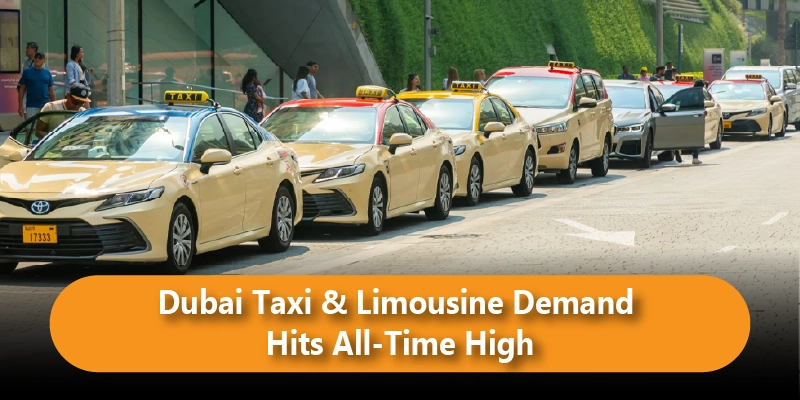

Dubai’s transport ecosystem is witnessing a defining moment. Taxi and limousine services across the emirate have recorded their highest ridership levels to date, reflecting the city’s rapid growth, rising tourism, and increasing dependence on flexible mobility solutions.
According to official updates from Dubai Roads and Transport Authority and government media releases, the surge highlights a major shift in how residents and visitors move around the city.
As Dubai positions itself as a global hub for business, tourism, and innovation, this unprecedented rise in taxi usage marks a new chapter in urban mobility and signals what lies ahead for Dubai taxi demand 2026.
What Is Driving Dubai’s Record Taxi and Limousine Demand
The growth in taxi and limousine ridership is not accidental. It is the result of multiple economic and social factors coming together at the right time.
Dubai’s expanding population, booming tourism sector, and growing number of international events have significantly increased daily travel requirements. With millions of visitors arriving through Dubai International Airport each year, Dubai airport taxi demand continues to climb steadily.
In addition, ride convenience, improved service quality, and digital booking platforms have made taxis and limousines a preferred choice over private vehicles.
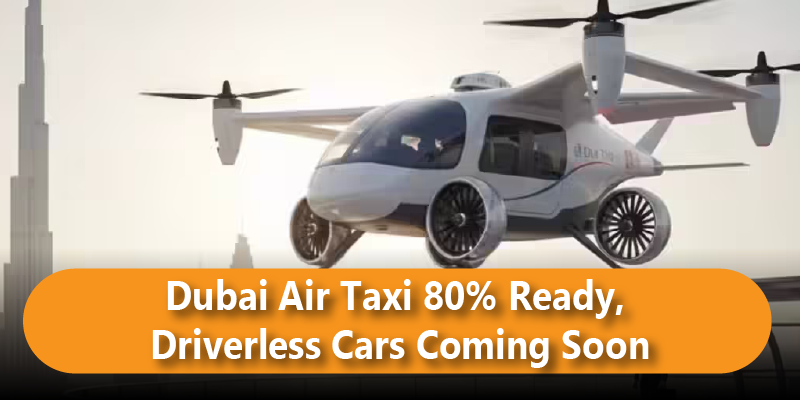
Also read: Dubai Air Taxi Benchmarks
Record Numbers That Reflect a Mobility Shift
Recent transport data reveals that hundreds of millions of riders used taxis and limousine services over the past year, contributing to an overall public and shared transport ridership figure that crossed historic milestones.
This RTA taxi demand record confirms that taxis are no longer just an alternative mode of transport. They are now a core pillar of Dubai’s daily mobility network.
Key Contributors to Ridership Growth
- Strong rebound in tourism and hospitality
- Increased business travel and corporate mobility
- Rising cost of private car ownership
- Improved fleet management and service coverage
- Expansion of luxury limousine services
Together, these factors have created a visible Dubai limousine demand surge across premium and executive travel segments.
Growing Demand and Emerging Challenges
While the growth story is positive, it has also revealed pressing gaps in supply.
Many commuters now report longer waiting times during peak hours, especially in high traffic zones and tourist hubs. This has sparked discussions around Dubai taxi shortage and the growing concern over Dubai taxi driver shortage.
The rising demand has also raised an important question across the transport sector
why Dubai needs more taxis
The answer lies in the city’s ambition to maintain service quality while supporting population growth and tourism expansion.
Dubai Taxi and Limousine Growth Snapshot
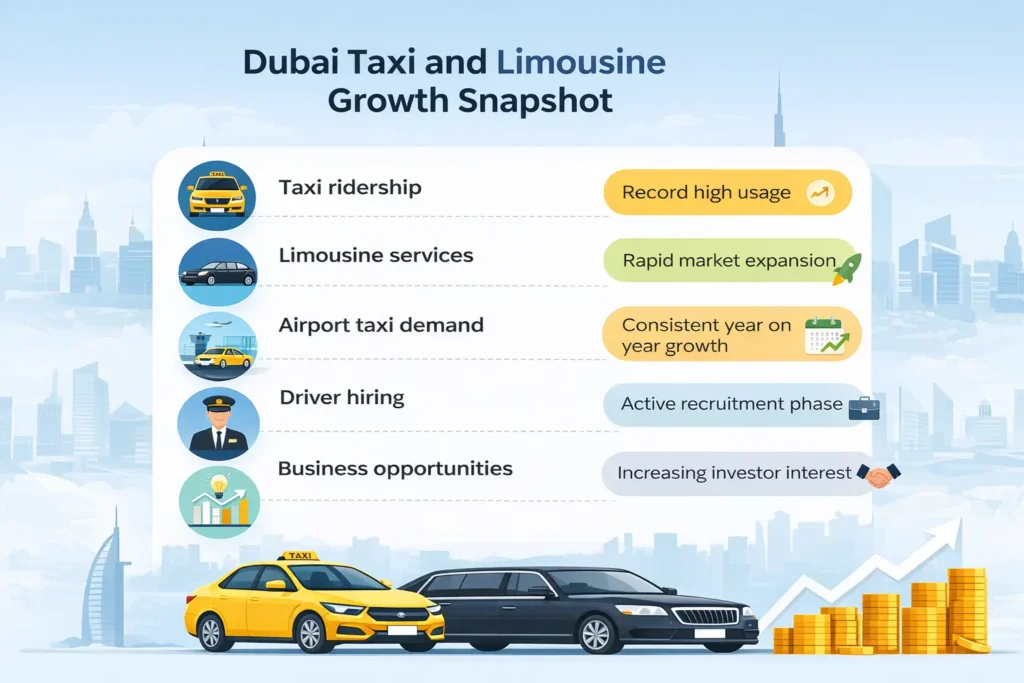
This snapshot reflects the strong Dubai limousine market growth currently underway.
Essential Tips for Taxi Users and Industry Stakeholders
For Daily Commuters
- Plan peak hour travel in advance
- Use digital booking platforms for faster access
- Consider off peak travel where possible
For Drivers and Operators
- Monitor high demand zones regularly
- Focus on customer service and ride quality
- Stay updated on RTA guidelines and permits
For Investors
- Evaluate Dubai taxi business opportunities in underserved zones
- Explore partnerships within fleet operations
- Monitor tourism driven demand cycles
These steps help stakeholders adapt effectively to Dubai taxi hiring boom trends.
Common Myths About Dubai’s Taxi Demand
Myth 1 Taxis are losing relevance
Reality Taxi usage is increasing faster than ever
Myth 2 Ride sharing apps are replacing taxis
Reality Both systems coexist and serve different mobility needs
Myth 3 Demand is seasonal
Reality Demand is now consistent throughout the year
Myth 4 Only tourists use taxis
Reality Residents and professionals form a major user base
Myth 5 The market is saturated
Reality Current data suggests room for expansion
Why This Growth Matters for Dubai’s Future
The rise in taxi and limousine ridership is more than a transport statistic. It reflects Dubai’s evolving lifestyle, urban planning priorities, and commitment to efficient mobility.
With smart infrastructure, digital platforms, and expanding fleets, Dubai is setting benchmarks for modern city transport systems. Addressing Dubai tourism taxi shortage concerns will be essential to sustain service standards as visitor numbers continue to grow.
Closing Remarks
A Turning Point in Dubai’s Urban Mobility Story
Dubai’s record taxi and limousine ridership signals a powerful shift in how the city moves. As demand accelerates, opportunities emerge for drivers, operators, and investors alike. At the same time, strategic planning and fleet expansion will be critical to ensure availability, efficiency, and service excellence. This moment marks a turning point where smart mobility becomes not just an option, but a necessity for Dubai’s future.
Frequently Asked Questions
Population growth, tourism recovery and business travel have significantly raised daily transport needs.
During peak hours and major events some areas experience limited availability.
Yes, premium and executive travel demand is rising rapidly.
Yes the current growth has created a strong demand for licensed drivers.
Absolutely fleet expansion and service innovation offer strong potential.
Stay Informed with Miss Auto UAE
Follow the latest developments in mobility transport trends and automotive industry updates with Miss Auto UAE.
We bring you timely news expert insights and real world analysis on the stories shaping Dubai’s roads and transport future.
Stay connected with Miss Auto UAE for credible updates that matter.
Guest Blog and Reader Insight Invitation
Are you a taxi driver, fleet operator, frequent commuter or mobility expert? Share your insights and experiences with Dubai’s evolving taxi ecosystem.
Miss Auto UAE invites guest contributions and reader perspectives on transport growth mobility challenges and future opportunities.
Join the conversation and help to shape the narrative around Dubai’s rapidly changing urban mobility landscape.