

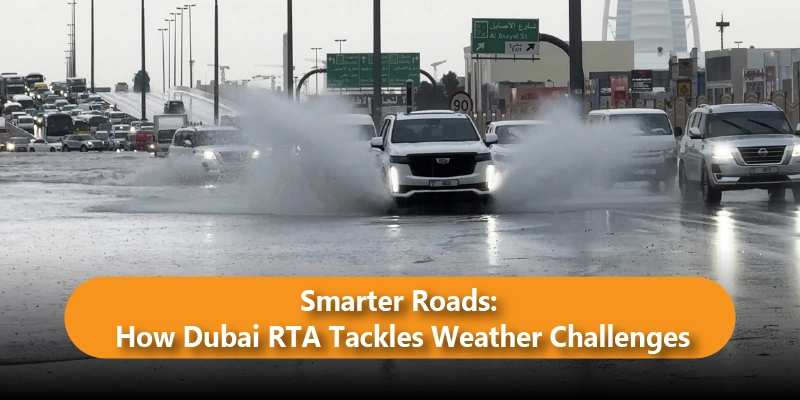

Dubai is globally recognized for its futuristic infrastructure, world-class highways, and seamless urban mobility. However, despite its advanced road networks, the city faces unique environmental challenges.

Sudden rain showers, sandstorms, and fluctuating visibility conditions can disrupt traffic flow and compromise road safety. In response, Dubai’s Roads and Transport Authority has adopted a proactive and intelligent approach to ensure that roads remain safe, efficient, and resilient under all conditions.
At the core of this transformation is Dubai RTA weather management, a strategic system designed to anticipate weather changes, minimize disruptions, and protect road users through advanced planning and real-time response.
Understanding Weather Challenges in Dubai
While Dubai is primarily known for its dry climate, occasional weather changes can have a significant impact on transportation.
Rainfall, though infrequent, often leads to water accumulation on roads, creating slippery surfaces and increasing the risk of accidents. Similarly, sandstorms can reduce visibility drastically, making driving conditions hazardous within minutes.
Recognizing these risks, authorities have strengthened Dubai RTA weather management by integrating predictive systems, continuous monitoring, and rapid response mechanisms. This ensures that even unexpected weather events are handled with precision and efficiency, reducing risks for drivers and maintaining smooth traffic flow.
The Evolution of Smart Road Infrastructure
Dubai’s journey toward smarter roads is rooted in innovation and forward-thinking urban planning. Traditional road systems are no longer sufficient in a city that demands efficiency and safety at all times. Today, roads are becoming intelligent ecosystems powered by data, connectivity, and automation.
The concept of Dubai smart roads reflects this evolution. These roads are equipped with advanced sensors, monitoring systems, and communication networks that work together to provide real-time insights. From detecting water levels on highways to analyzing traffic density, these systems enable authorities to make informed decisions instantly.
Also Read: Hessa Street Expansion Explained: What It Means for Daily Commuters
Technology Behind Weather-Responsive Traffic Systems
The success of Dubai’s weather management strategy lies in its integration of advanced technologies. The Roads and Transport Authority has implemented a range of innovative solutions that work together to create a responsive and adaptive traffic ecosystem.
Key Technological Components
- Smart sensors that monitor rainfall, humidity, temperature, and visibility
- AI-powered analytics that predict traffic congestion and weather impact
- Centralized control centers that oversee citywide traffic conditions
- Digital signage systems that provide real-time updates to drivers
- Automated traffic signals that adjust based on road conditions
These systems collectively demonstrate the power of RTA Dubai technology, ensuring that every aspect of road management is optimized for safety and efficiency.
Faster Response for Safer Roads
One of the most critical aspects of managing weather-related disruptions is response time. Dubai’s RTA has developed a highly efficient response framework that ensures immediate action during emergencies.
When adverse weather conditions are detected, specialized teams are deployed to affected areas without delay. Drainage systems are inspected to prevent waterlogging, while traffic is redirected to safer routes. At the same time, drivers receive instant alerts through mobile applications and digital signboards, enabling them to make informed decisions.
This coordinated approach significantly enhances Dubai road safety weather conditions, ensuring that risks are minimized and road users remain protected.
Also Read: New RTA Road Slashes Travel Time by 60% in Dubai
Benefits of Advanced Weather Management Systems
Dubai’s proactive approach to weather challenges offers a wide range of benefits that extend beyond immediate safety improvements.
| Benefit | Description |
| Enhanced Safety | Reduces accidents during rain and low visibility conditions |
| Efficient Traffic Flow | Prevents congestion through real-time adjustments |
| Quick Emergency Response | Ensures faster deployment of support teams |
| Infrastructure Longevity | Protects roads from water damage and wear |
| Public Confidence | Builds trust in the reliability of road systems |
These benefits highlight how Dubai RTA weather management plays a vital role in creating a safer and more efficient transportation network.
Essential Tips for Drivers During Weather Changes
While advanced systems provide strong support, driver awareness and responsibility remain essential. Adapting driving behavior during weather changes can significantly reduce risks.
Practical Safety Tips
- Slow down and maintain a steady speed during rain
- Keep a safe distance from other vehicles
- Use headlights to improve visibility
- Avoid sudden braking or sharp turns
- Stay updated with official traffic alerts
By following these precautions, drivers contribute to safer roads and support the effectiveness of Dubai road safety weather initiatives.
Common Myths About Driving in Dubai Weather
Despite growing awareness, several misconceptions about driving in Dubai’s weather conditions still persist.
| Myth | Reality |
|---|---|
| Rain is too rare to be dangerous | Even light rain can make roads slippery and increase stopping distance |
| Advanced vehicles eliminate all risks | While modern cars offer safety features, driver vigilance is still crucial |
| Sandstorms only affect highways | Dust and reduced visibility can impact both highways and city roads |
Understanding these myths helps drivers make informed decisions and reinforces the importance of the Dubai traffic management system.
How Smart Weather Management Works

Weather Detection → Data Analysis → Traffic Optimization → Driver Alerts → Emergency Response
This streamlined process ensures that every stage of weather impact is addressed efficiently. The integration of Dubai smart roads infrastructure enables seamless communication between systems, ensuring quick and effective action.
Also Read: Dubai RTA Auctions 300 Premium Vehicle Number Plates: What Makes Them So Valuable?
The Role of Integrated Traffic Management Systems
A connected and intelligent traffic network is essential for managing urban mobility during unpredictable conditions. Dubai has developed a comprehensive system that integrates multiple technologies into a single platform.
The Dubai traffic management system monitors traffic patterns, detects disruptions, and coordinates responses in real time. This system ensures that traffic continues to flow smoothly even during challenging weather conditions.
By leveraging RTA Dubai technology, authorities can predict potential issues, implement preventive measures, and maintain high levels of efficiency across the road network.
Future Innovations in Weather-Responsive Mobility
Dubai’s vision for the future goes beyond current capabilities. Continuous investment in research and development is paving the way for even more advanced solutions.
Upcoming innovations may include:
- AI-driven weather forecasting integrated with traffic systems
- Autonomous traffic control mechanisms
- Smart drainage systems with real-time monitoring
- Enhanced vehicle-to-infrastructure communication
These advancements will further strengthen Dubai RTA weather management, ensuring that the city remains at the forefront of smart mobility.
Final Words: Smarter Roads, Safer Tomorrow
Dubai’s approach to managing weather challenges demonstrates how innovation, planning, and technology can transform urban transportation. By integrating intelligent systems with rapid response strategies, the city has created a road network that is both resilient and efficient.
Driving the Future: How Smart Innovation is Shaping Safer Roads in Dubai
As Dubai continues to invest in smarter infrastructure, its roads will not only connect destinations but also provide a safe and reliable journey for every driver. The commitment to excellence ensures that even in the face of unpredictable weather, Dubai remains a global leader in smart mobility and road safety.
FAQs
1. What is Dubai RTA weather management?
It is a system that uses advanced technology to monitor, predict, and respond to weather-related road conditions.
2. How does Dubai handle sudden rainfall on roads?
Authorities use drainage systems, real-time monitoring, and rapid response teams to manage water accumulation and ensure safety.
3. What technologies are used in Dubai’s road systems?
Dubai uses sensors, AI analytics, centralized control centers, and digital communication tools.
4. How are drivers informed about weather conditions?
Drivers receive updates through mobile apps, digital signboards, and official announcements.
5. What should drivers do during sandstorms?
Drivers should reduce speed, use headlights, and maintain a safe distance from other vehicles.
Stay Updated with Miss Auto UAE
Drive Smarter with Expert Insights
Stay informed with the latest automotive news, smart mobility trends, and road safety updates from across the UAE.
Miss Auto UAE brings you reliable, engaging, and insightful content designed to help you navigate modern driving challenges with confidence.
Explore more articles, stay updated, and experience smarter driving every day.
Guest Blog Submission: Share Your Voice
Contribute to the Future of Smart Mobility
Do you have insights or experiences related to road safety, smart transportation, or automotive innovation?
Join the Miss Auto UAE community and share your expertise with a wider audience. Your voice can inspire change, educate readers, and contribute to a safer driving environment.
Submit your guest blog today and become part of a growing platform dedicated to smarter roads and better mobility.


