


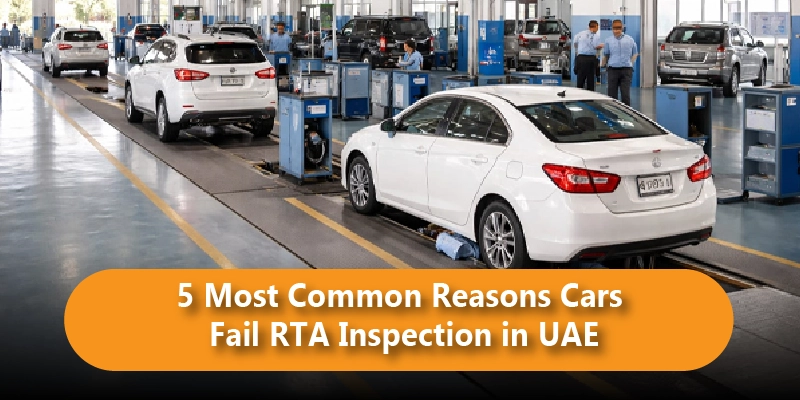

Vehicle inspection is a crucial requirement for car owners in the United Arab Emirates, particularly when renewing vehicle registration. Conducted by the Roads and Transport Authority (RTA), the inspection ensures that every vehicle on the road meets safety, environmental, and performance standards.
However, many drivers are surprised when their vehicle fails the test due to issues that could have been easily fixed beforehand. Understanding the RTA inspection fail reasons can help drivers prepare better and avoid delays in registration renewal.
In this guide, we explore the 5 most common RTA inspection failures, explain why cars fail RTA test procedures, and share practical tips that help drivers pass the inspection successfully on their first attempt.
Understanding the RTA Vehicle Inspection Process
The RTA inspection is designed to evaluate whether a vehicle is safe and roadworthy. This includes checking mechanical components, structural integrity, emissions levels, and safety systems.
Typically, the inspection examines areas such as:
- Brake efficiency
- Tire condition
- Suspension and steering components
- Lights and electrical systems
- Exhaust emissions
- Body structure and chassis integrity
Using a proper RTA vehicle inspection checklist before visiting the testing center can significantly reduce the chances that your car fails RTA inspection UAE requirements.
Below are the most frequent RTA test failure reasons for cars, based on inspection data and common workshop findings.
1. Worn or Damaged Tires
One of the primary RTA inspection failure reasons is worn or damaged tires.
Tires are a critical safety component, and inspectors carefully examine their condition. Vehicles with worn-out or damaged tires often fail immediately.
Common tire-related problems include:
- Low tire tread depth
- Uneven tire wear
- Cracked or damaged sidewalls
- Incorrect tire size or specifications
- Expired tires older than the permitted limit
Because tire condition directly affects braking and vehicle stability, this remains one of the most frequent common RTA inspection failures.
Tip: Always check tire tread depth and manufacturing date before scheduling an inspection.
2. Faulty Lights and Electrical Components
Lighting systems play a major role in road visibility and driver safety. If headlights, brake lights, or indicators are malfunctioning, the vehicle may fail inspection.
Typical issues include:
- Broken headlights or tail lights
- Non-functioning brake lights
- Misaligned headlights
- Dashboard warning lights
- Electrical wiring faults
These lighting problems are among the most overlooked RTA test failure reasons for cars, yet they are among the easiest to fix.
Tip: Test all lights and signals before heading to the inspection center.
3. Brake System Issues
The braking system is one of the most important safety components inspected by the RTA.
If the braking efficiency does not meet required safety standards, the vehicle will not pass inspection.
Common brake-related failures include:
- Worn brake pads
- Brake fluid leaks
- Weak braking performance
- Faulty ABS system
- Vibrations during braking
As the braking system is essential for maintaining road safety, any malfunction or reduced efficiency is regarded as a significant cause of RTA inspection failure.
Tip: Have your braking system checked during routine maintenance before scheduling an inspection.
4.Suspension and Steering Problems
A stable suspension system ensures proper handling and comfort while driving. During the inspection process, technicians check for loose or worn components that could compromise vehicle control.
Common suspension issues include:
- Worn shock absorbers
- Damaged suspension arms
- Steering misalignment
- Loose ball joints
- Unusual noises while driving
These faults are frequent common RTA inspection failures, particularly in vehicles that travel long distances or operate on rough roads.
Tip: If you notice excessive bouncing, vibrations, or steering instability, get your suspension inspected before the test.
5. Excessive Emissions and Exhaust Problems
Environmental compliance is another key aspect of vehicle inspection.
If a car emits pollutants beyond the permitted limit, it may fail the RTA test.
Typical emission-related issues include:
- Faulty catalytic converters
- Engine tuning problems
- Fuel system issues
- Excessive smoke from the exhaust
- Poor engine maintenance
Emission-related failures are a common reason why cars fail RTA test requirements, particularly for older vehicles.
Tip: Regular engine servicing and proper fuel system maintenance help prevent emission failures.
RTA Vehicle Inspection Checklist (Quick Preparation Guide)
Before visiting the testing center, drivers should review a simple RTA vehicle inspection checklist to avoid unnecessary failures.
| Inspection Area | What to Check |
| Tires | Tread depth, air pressure, cracks, expiry |
| Brakes | Brake pads, fluid levels, braking response |
| Lights | Headlights, brake lights, indicators |
| Suspension | Noise, vibrations, worn components |
| Emissions | Engine performance and exhaust smoke |
Following this checklist greatly reduces the chances your car fails RTA inspection UAE requirements.
Related Blog: Dubai RTA Strengthens E-Scooter Safety Rules to Protect Riders and Pedestrians
Essential Tips to Pass the RTA Inspection
Drivers can improve their chances of passing the inspection by following a few simple preparation steps.
1. Schedule routine maintenance before inspection
A basic service can identify hidden problems early.
2. Perform a visual vehicle check
Inspect tires, lights, and fluid levels.
3. Fix dashboard warning lights
Any illuminated warning indicator may trigger further inspection.
4. Clean your vehicle before testing
A well-maintained car reflects proper upkeep.
5. Choose a reliable workshop for pre-inspection checks
These steps can prevent many common RTA inspection failures.
Common Myths About RTA Vehicle Inspection
Many drivers misunderstand how the inspection process works.
Myth 1: Older cars always fail inspection
Reality: Older cars can pass if properly maintained.
Myth 2: Cosmetic damage causes failure
Reality: Minor scratches or dents typically do not affect inspection results.
Myth 3: Inspection centers fail cars intentionally
Reality: The process follows standardized safety and emissions regulations.
Understanding these facts helps drivers better prepare and avoid unnecessary stress.
Key Takeaways
- Knowing a clear understanding of the typical RTA inspection fail reasons empowers drivers to address potential issues early and approach the inspection process with confidence.
- Tire problems, brake issues, lighting faults, suspension defects, and emissions are the most common RTA inspection failures.
- Performing a basic RTA vehicle inspection checklist before visiting the testing center can significantly increase your chances of passing.
- Regular maintenance is the best way to prevent situations where your car fails RTA inspection UAE standards.
Closing Remarks : Prepare Your Car, Pass the Test with Confidence
Vehicle inspections are not just a legal requirement; they play a vital role in maintaining safer roads across the UAE.
By understanding why cars fail RTA test procedures, drivers can take proactive steps to address potential problems before scheduling their inspection.
A well-maintained vehicle not only passes inspection easily but also ensures better safety, performance, and reliability on the road.
FAQs
The most common reasons include worn tires, faulty lights, brake problems, suspension issues, and excessive vehicle emissions.
Drivers should review a complete RTA vehicle inspection checklist, including tires, brakes, lights, suspension, and engine performance.
If your vehicle fails inspection, repairs must be completed before re-testing and renewing registration.
Typically, inspection results remain valid for a limited period during the vehicle registration renewal process.
Regular maintenance, checking tire condition, fixing warning lights, and performing a pre-inspection RTA service can prevent most failures.
Regular maintenance, checking tire condition, fixing warning lights, and performing a pre-inspection RTA service can prevent most failures.
Stay Updated with Miss Auto UAE
Miss Auto UAE regularly publishes expert insights, automotive news, and practical guides designed to help drivers stay informed about vehicle regulations, maintenance tips, and road safety updates across the UAE.
Whether you are preparing for vehicle inspection, exploring the latest automotive technology, or looking for expert advice on car ownership, Miss Auto UAE provides reliable information tailored for modern drivers.
Stay informed. Drive safer.
Stay ahead with Miss Auto UAE.
Guest Blog Opportunity
Automotive professionals, workshops, dealerships, and industry experts are invited to collaborate with Miss Auto UAE by contributing guest articles or sharing expert insights related to vehicle maintenance, road safety, car technology, and UAE automotive regulations.

