



As the holy month of Ramadan begins across the UAE, daily life slows into a calmer, more reflective rhythm. Families gather earlier, workdays adjust, and evenings come alive with prayer, shopping, and social visits.

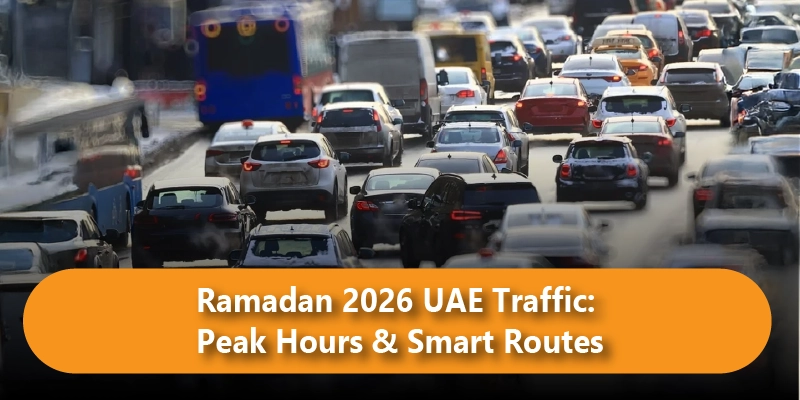
Yet alongside this spiritual tranquility, the roads across the emirates experience a noticeable transformation. Ramadan 2026 UAE traffic follows its own unique pattern, and understanding it is essential for residents, daily commuters, business professionals, and visitors alike.
With changed routines, reduced Ramadan working hours UAE 2026, and heightened movement around prayer and iftar times, traffic congestion becomes more predictable but also more intense during specific windows.
Whether you are commuting between cities, heading home for iftar, or navigating late-night errands, preparation is the key to a smooth and stress-free journey.
This guide breaks down everything you need to know about UAE Ramadan peak hours 2026, Dubai traffic timings Ramadan, smart route planning, safety considerations, and practical tips that will help you move confidently throughout the holy month.
Why Ramadan Changes Road Patterns in the UAE
In the UAE, Ramadan is not just a spiritual observance; it is a nationwide lifestyle shift. Government offices, private companies, schools, retail outlets, and transport services all operate on modified schedules. These changes directly influence how and when people travel.
With official announcements regarding Ramadan working hours UAE 2026, many offices close earlier than usual, while shopping malls, restaurants, and prayer venues stay active well into the night. As a result, traffic that is usually spread throughout the day becomes concentrated around a few high-impact hours.
In cities such as Dubai and Abu Dhabi, this shift is particularly visible, with roads experiencing alternating periods of calm and congestion. Understanding these patterns allows drivers to adjust travel times, choose smarter routes, and reduce unnecessary stress.
Also Read: Ramadan 2026 in Dubai: Public Parking, Salik Timings & Working Hours Explained
Understanding the Key Congestion Windows
Morning Rush During Ramadan
Unlike non-Ramadan months, the morning commute starts later. The Dubai traffic timings Ramadan pattern shows that most commuters hit the roads between 8:30am and 10:30am in Dubai and Sharjah, while Abu Dhabi Ramadan traffic update patterns show congestion rising between 9:00am and 10:30am.
This delay is due to shortened working hours and flexible start times. While traffic volume may appear lighter early in the morning, it quickly intensifies mid-morning, especially near business districts, schools, and major junctions.
Pre-Iftar and Iftar Surge
The most challenging period of Ramadan 2026 UAE traffic occurs between 5:00pm and 7:15pm. This is when offices close, schools disperse, and families rush home to prepare for iftar. Roads slow dramatically, patience wears thin, and accident risks increase due to fatigue and urgency.
This window defines Dubai congestion Ramadan 2026, particularly on highways connecting residential areas to commercial hubs. Planning around this time is crucial for anyone who wants to avoid extended delays.
Also Read: Ramadan Relief: Salik Introduces Toll Discounts to Ease Dubai Traffic
Post-Taraweeh Evening Movement
Between 9:00pm and 11:30pm, traffic increases again, though it is usually more manageable than the pre-iftar rush. Residents travel for Taraweeh prayers, shopping, late dinners, and social visits. While congestion is lighter, popular destinations and main roads still experience steady flow.
Late-Night and Suhoor Travel
A lesser-known but important part of UAE traffic advisory Ramadan planning involves the early-morning hours. Between 2:30am and 4:30am, roads near restaurants, bakeries, mosques, and residential neighborhoods see increased movement as people head out for suhoor.
Though traffic volumes are lower, driver alertness can be reduced, making caution essential during this time.
Smart Routes to Beat the Congestion
Traffic hotspots during Ramadan are highly predictable, especially in urban centers. Choosing UAE smart routes Ramadan options can save time and significantly reduce travel stress.
Sheikh Zayed Road (E11)
This remains the busiest artery, especially between Jebel Ali and Downtown Dubai. Congestion peaks between 5:30pm and 7:15pm.
Smart Alternative: Use Al Khail Road (E44) or Hessa Street to access Marina, JBR, and nearby districts.
Al Ittihad Road (Dubai–Sharjah Corridor)
Border crossings experience heavy queues during morning and pre-iftar hours.
Smart Alternative: Emirates Road (E311) or E611 offers smoother flow during peak times.
Abu Dhabi Bridges
Sheikh Zayed Bridge and Maqta Bridge slow considerably before iftar.
Smart Alternative: Mohammed Bin Zayed Road (E20) distributes traffic more evenly.
Public Transport Advantage
The Dubai Metro operates extended hours during Ramadan, making it a reliable, congestion-free choice for central city travel.
UAE Traffic Advisory Ramadan: How to Plan Your Commute
Effective planning can transform your Ramadan travel experience.
Leaving home before 8:00am helps avoid the delayed morning rush. In the evenings, aim to reach your destination before 5:15pm or delay travel until after 7:30pm. These small adjustments align with the best travel time Ramadan UAE strategy.
Navigation tools play a vital role. Google Maps’ “Depart At” feature predicts congestion based on historical patterns, while Waze offers real-time rerouting through community reports. Carpooling and public transport not only reduce congestion but also contribute to safer roads during peak hours.
Also Read: Ramadan Rush Hours: How UAE Traffic Changes Daily
Peak Times and Smart Choices: Infographics Table
| Time Window | Traffic Behavior | Best Strategy |
| 8:30 – 10:30am | Morning rush begins | Leave early or use metro |
| 5:00 – 7:15pm | Worst congestion | Delay travel or use alternate routes |
| 9:00 – 11:30pm | Post-Taraweeh movement | Choose quieter internal roads |
| 2:30 – 4:30am | Suhoor travel | Avoid unnecessary trips |
| All day | Toll variations | Travel off-peak to reduce Salik costs |
Myths vs Facts: Ramadan Road Realities
Myth: Traffic fines and tolls are relaxed during Ramadan.
Fact: Enforcement remains strict, and toll systems continue to operate with peak and off-peak pricing.
Myth: Roads are empty after sunset.
Fact: While traffic briefly eases after iftar, it rises again later in the evening.
Myth: Public transport shuts down early.
Fact: Many services extend operating hours to accommodate Ramadan travel needs.
Conclusion: Navigate Ramadan 2026 UAE Traffic With Confidence
Understanding UAE Ramadan peak hours 2026 empowers you to take control of your daily commute. With adjusted Ramadan working hours UAE 2026, predictable congestion windows, and access to smarter route options, drivers can significantly reduce time spent on the road.
By planning ahead, staying alert, and respecting road safety guidelines, every journey during Ramadan can become smoother, safer, and more enjoyable. Whether you are navigating Dubai, Abu Dhabi, or inter-emirate routes, informed travel decisions make all the difference.
FAQs: Quick Answers for Commuters
Q1. What are the typical peak traffic hours during Ramadan in the UAE?
Peak hours usually occur between 8:30–10:30am, 5:00–7:15pm, and 9:00–11:30pm, with additional movement during suhoor hours.
Q2. Which areas experience the worst Dubai congestion Ramadan 2026?
Sheikh Zayed Road, Al Ittihad Road, and major Abu Dhabi bridges see the highest congestion.
Q3. How do navigation apps help during Ramadan?
They provide predictive delays, real-time rerouting, and alternative paths based on live traffic data.
Q4. Are metro and bus services extended during Ramadan?
Yes, many public transport services operate longer hours to support evening travel.
Q5. Can toll costs be reduced during Ramadan?
Yes, by traveling outside peak hours, drivers can benefit from lower toll charges.
Stay Updated With Miss Auto UAE: Your Ramadan Traffic Resource
For the latest updates on UAE traffic advisory Ramadan, peak-hour alerts, and smart commuting insights, Miss Auto UAE brings you reliable, timely, and easy-to-understand traffic content throughout Ramadan and beyond.
Share Your Insight: Guest Contributions and Community Stories
Have you mastered Ramadan 2026 UAE traffic with smart planning and route choices? Share your experience with our readers.
Submit your guest blog, contribute valuable insights, and help fellow drivers navigate the roads safely and efficiently this Ramadan.


