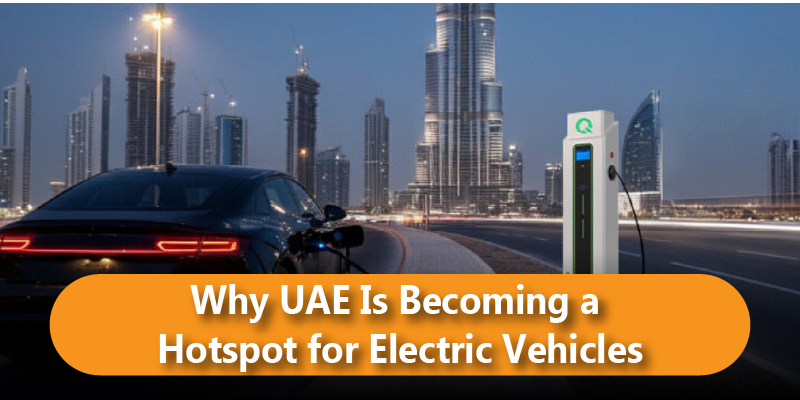
The UAE is fast emerging as a global leader in electric mobility. With ambitious targets for sustainable transportation, the nation is investing heavily in electric vehicle (EV) infrastructure. The combination of government initiatives, private sector partnerships, and increasing public awareness is creating a positive ecosystem for EV adoption in the UAE.

One of the most critical drivers of this growth is the rapid expansion of charging infrastructure. By making EV ownership convenient and reliable, these networks are encouraging more residents to transition from traditional petrol vehicles to electric mobility. As we look ahead to 2026, it’s clear that the UAE’s EV landscape is entering a new era.
Expansion of EV Charging Points Across the Emirates
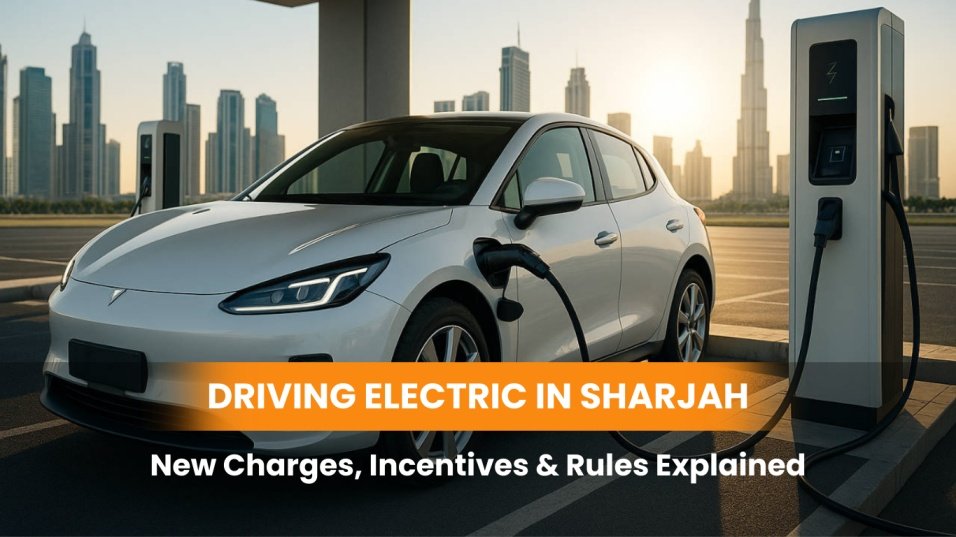
Dubai alone now boasts over 1,270 public EV chargers, a remarkable achievement that supports the city’s green mobility ambitions. According to the Abu Dhabi EV Innovation Summit, these chargers are strategically located across residential, commercial, and public areas, ensuring drivers have access wherever they go.
This expansion not only reduces range anxiety but also supports the growing number of EV owners planning daily commutes or long-distance trips. For those monitoring Dubai petrol price prediction February, the shift toward EVs could also influence demand patterns at the pump, gradually affecting petrol consumption across the city.
In Abu Dhabi, similar initiatives are underway, aligning with the Abu Dhabi fuel price forecast 2026 by supporting sustainable transport options. By making EV ownership easier and more convenient, residents are more likely to consider electric alternatives for personal and commercial use.
Also read: EV Charging expansion in UAE 2026
Government Initiatives Driving EV Adoption
The UAE government has played a pivotal role in shaping the EV market. From policies encouraging green mobility to financial incentives for EV buyers, these measures have significantly reduced the barriers to entry.
Programs like the National Demand Side Management Strategy emphasize sustainable transport solutions, including the rapid deployment of EV chargers across key urban and suburban areas. The Ministry of Energy and Infrastructure reports highlight that these developments are designed not just for today, but to ensure the UAE is ready for the EV revolution by 2030.
By integrating charging infrastructure with urban planning, the UAE is creating an environment where UAE petrol price February 2026 and other fuel cost concerns are less of a deciding factor for drivers. EV adoption becomes not only environmentally responsible but also economically attractive.
Also read: Charging loud and clear – EV growth in Abu Dhabi
Private Sector Participation in EV Infrastructure
The private sector is equally instrumental in this transition. Major automotive players, energy companies, and tech firms are investing in smart charging solutions, ultra-fast chargers, and connected infrastructure platforms.
For example, leading companies are deploying charging networks with apps that allow real-time availability checks, remote reservations, and contactless payments. This convenience directly contributes to EV adoption and positively affects predictions like petrol price UAE next month forecast, as a growing number of residents shift toward electricity over petrol.
The competitive push from private players ensures that infrastructure keeps pace with EV sales, addressing challenges like charger accessibility, peak-time congestion, and service reliability.
Technological Advancements in EV Charging
Technological innovation is transforming EV infrastructure. Ultra-fast chargers, solar-powered stations, and vehicle-to-grid integrations are becoming mainstream, enabling efficient energy management and faster turnaround times for EVs.
These innovations reduce the need for frequent long-distance trips to recharge, a major concern for early EV adopters. As a result, residents are more confident in considering EVs, while analysts note potential indirect impacts on fuel consumption patterns. This indirectly ties into the UAE diesel price prediction for February and the Special 95 UAE February 2026 rates, as demand for traditional fuels may adjust gradually.
Also read: New EV charging, Traffic, and App launched
Benefits of Charging Infrastructure on EV Adoption
- Reduced Range Anxiety: Drivers no longer fear running out of charge due to widespread stations.
- Increased Convenience: Access to chargers at malls, workplaces, and highways makes EV ownership practical.
- Economic Incentives: Lower maintenance and running costs versus petrol vehicles create financial appeal.
- Environmental Responsibility: Expanding EV adoption supports UAE’s sustainability goals.
- Market Confidence: Visibility of robust infrastructure encourages residents and businesses to invest in EVs.
With these benefits, when will UAE petrol prices drop in 2026 becomes less critical for EV users, as electricity becomes a more predictable and affordable alternative to conventional fuels.
Future Outlook: EVs and Charging Infrastructure in 2026
As 2026 progresses, the UAE is expected to continue expanding its EV infrastructure. Government reports indicate plans for additional charging stations, enhanced smart grids, and increased integration of renewable energy sources.
This continued development ensures that UAE Super 98 price February prediction and other petrol pricing dynamics are gradually complemented by a rising share of electric mobility. Cities like Dubai and Abu Dhabi are positioning themselves as global leaders in EV adoption, setting a model for other nations in the region.
Final Words : The Road Ahead
Charging Infrastructure: The Key Driver of UAE’s EV Revolution
The expansion of EV charging infrastructure in the UAE is transforming the automotive landscape. It is creating confidence among residents, supporting government sustainability targets, and indirectly shaping fuel consumption trends.
By 2026, the combination of accessible charging stations, private sector innovation, and supportive policies is expected to make EVs a mainstream choice for everyday mobility. The UAE is no longer just an oil-driven nation; it is fast becoming a hub for electric mobility and sustainable transport.
FAQs
Expanding charging networks reduce range anxiety and make EV ownership practical for both daily and long-distance use.
Dubai and Abu Dhabi lead with extensive public chargers, while Sharjah and northern emirates are expanding rapidly.
As EV adoption grows, petrol demand may gradually stabilize or decrease, indirectly affecting Dubai petrol price prediction February and related fuel forecasts.
Ultra-fast chargers, solar-powered stations, and smart apps for real-time availability are making charging faster and more convenient.
Yes, increased EV use may reduce diesel and petrol consumption, impacting short-term price trends indirectly.
Stay Ahead of the UAE’s EV Revolution with Miss Auto UAE
Want to stay updated on EV adoption, charging infrastructure, and UAE automotive trends?
Miss Auto UAE brings you the latest news, expert insights, and exclusive articles on electric mobility, supercars, petrol prices, and more.
Stay informed, plan smarter, and be part of the UAE’s automotive future.
Visit Miss Auto UAE today and never miss what’s shaping the roads of tomorrow.