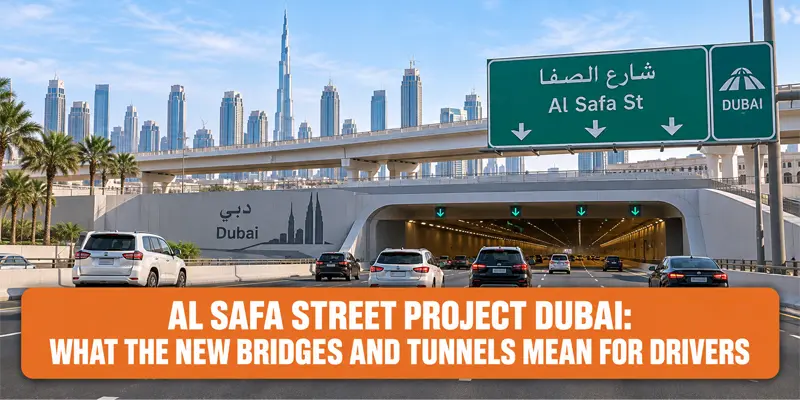
Dubai is continuing to upgrade its road network as traffic volumes increase and new residential, commercial and tourism developments reshape the city. One of the major projects currently underway is the Al Safa Street Project in Dubai, which is designed to improve traffic flow between Sheikh Zayed Road and Al Wasl Street.

The project is part of Dubai’s wider road infrastructure development programme and includes new bridges, tunnels, additional traffic lanes, upgraded intersections and improved road connections.
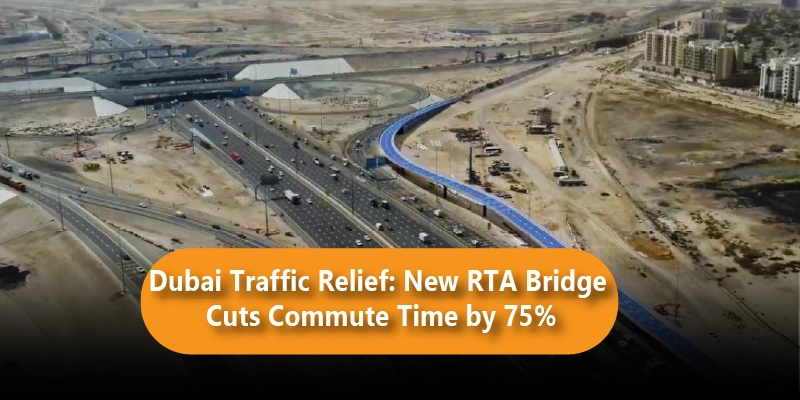
The Dubai Al Safa Street project covers a 1,500-metre stretch between Sheikh Zayed Road and Al Wasl Street. Once completed, the project is expected to reduce travel time along Al Safa Street from 12 minutes to around three minutes and double road capacity from 6,000 to 12,000 vehicles per hour in both directions.
For motorists who regularly travel through Al Safa, Al Wasl, Sheikh Zayed Road, Al Satwa and nearby areas, understanding the project and temporary traffic arrangements can make daily journeys easier.
Al Safa Street Project Dubai: What You Need to Know
The Al Safa Street Project in Dubai was announced by Dubai’s Roads and Transport Authority (RTA) as part of a broader programme to improve road capacity and traffic movement across the emirate.
The project focuses on the section of Al Safa Street extending from its intersection with Sheikh Zayed Road to its intersection with Al Wasl Street. The development covers approximately 1.5 kilometres and includes two bridges and two tunnels with a combined length of 3,120 metres.
In addition to the grade-separated infrastructure, the project includes widening surface roads, improving intersections and upgrading traffic signal systems.
The objective is not simply to add more road space. The new infrastructure is being designed to separate major traffic movements and allow vehicles to bypass busy signal-controlled junctions.
What Is Being Built Under the Dubai Al Safa Street Project?
The Al Safa Street bridges and tunnels are the central components of the development.
The project includes two bridges and two tunnels, with a combined length of 3,120 metres. These structures are designed to provide smoother connections between Al Safa Street, Al Wasl Street, Sheikh Zayed Road and Financial Centre Street.
According to the latest project details, the infrastructure includes:
| Infrastructure | Details |
| Project length | 1,500 metres |
| Bridges | 2 |
| Tunnels | 2 |
| Combined bridge and tunnel length | 3,120 metres |
| Current road capacity | 6,000 vehicles per hour in both directions |
| Planned road capacity | 12,000 vehicles per hour in both directions |
| Current journey time | Around 12 minutes |
| Planned journey time | Around 3 minutes |
These upgrades are intended to reduce traffic conflicts and allow more vehicles to move through the corridor without stopping at every major intersection.
New Bridges on Al Safa Street
One of the most important elements of the project is the construction of two new bridges.
The first bridge will be approximately 1,005 metres long and four lanes wide. It will carry traffic travelling from Al Wasl Street towards Sheikh Zayed Road and Financial Centre Street.
The second bridge will extend for approximately 360 metres and have two lanes. It will serve traffic travelling from Al Satwa Road towards Sheikh Zayed Road and Financial Centre Street.
These new bridges in Dubai are designed to provide grade-separated movement, allowing important traffic flows to avoid some of the congestion associated with surface-level signalised junctions.
For drivers, this could mean fewer stops, smoother traffic movement and more predictable journeys through the area once the project is completed.
New Tunnels in Dubai: What Will Change?
The project also includes two tunnels that will provide alternative routes for major traffic movements.
The first tunnel will be approximately 1,005 metres long and will carry traffic from Sheikh Zayed Road and Financial Centre Street towards Al Wasl Street.
The second tunnel will be around 750 metres long and will be located at the Al Wasl Street and Al Safa Street intersection. It will have two lanes in each direction.
These new tunnels in Dubai are intended to reduce the need for vehicles travelling along key routes to interact with traffic entering or leaving the main junction.
By separating different traffic movements, the project aims to improve overall traffic flow through this busy part of Dubai.
How Will the Al Safa Street Project Reduce Traffic?
One of the biggest questions for motorists is how the Al Safa Street Project in Dubai will actually affect congestion.
A major part of the solution is grade separation. Instead of requiring all vehicles to pass through signal-controlled intersections, some important movements will be redirected through bridges and tunnels.
Al Safa Street will also be widened from three signal-controlled lanes in each direction to four lanes in each direction.
According to RTA, two of the lanes will provide free-flowing movement, while the remaining two will continue to be controlled by traffic signals.
The planned improvements are expected to double the road’s capacity from 6,000 to 12,000 vehicles per hour in both directions.
The project is also expected to reduce the journey time along the 1.5-kilometre section from approximately 12 minutes to three minutes once the improvements are complete.
Al Safa Street Road Widening and Intersection Upgrades
The Dubai Al Safa Street project goes beyond bridges and tunnels.
The surface road will be widened, while several entrances, exits and intersections will also be upgraded.
The Al Satwa Street and Al Multaqa Street intersection is being reorganised in both directions. Additional lanes are being introduced at entry and exit points, while free-flow U-turn lanes are also being added along Al Safa Street.
Traffic signal systems will also be upgraded as part of the project.
Together, these changes are designed to improve how vehicles enter, leave and move through the corridor.
What Traffic Changes Are Happening During Construction?
Drivers using Al Safa Street should be aware that traffic arrangements can change as construction progresses.
Temporary road arrangements are being used to keep traffic moving while construction continues. According to Gulf News, vehicles travelling in both directions on Al Safa Street have been diverted onto newly constructed roads alongside the work zone.
This allows construction activities to continue while maintaining access through the corridor.
Drivers should therefore follow temporary signs, lane markings and directions provided at the site rather than relying entirely on older routes or maps.
Because road layouts can change during major infrastructure projects, motorists travelling through Al Safa, Al Satwa and nearby roads should allow additional time when necessary.
Where Does the Al Safa Street Project Connect?
The project is strategically positioned between two important Dubai roads.
It extends from Sheikh Zayed Road to Al Wasl Street, creating improved connections across the area.
The upgraded infrastructure will also improve traffic movement between Al Safa Street, Financial Centre Street, Sheikh Zayed Road and Al Wasl Street.
This is particularly relevant for motorists travelling between central Dubai, Jumeirah and surrounding residential and commercial districts.
The project also supports Dubai’s wider plans to strengthen road connectivity as the city continues to grow.
Al Safa Street Project Is Part of a Bigger Dubai Road Upgrade
The Al Safa Street Project Dubai is not an isolated development.
It forms part of a wider RTA plan covering road improvements in the surrounding area, including developments along Al Wasl Street and Umm Suqeim Street.
According to RTA, the wider project awarded in April 2026 includes development of Umm Suqeim Street, Al Wasl Road, Al Safa Street and seven intersections along Jumeirah Street. The wider programme includes approximately 11,000 metres of bridges and tunnels as well as at-grade road widening works.
For Al Wasl Road, the wider development includes multiple intersection upgrades and tunnels, while Umm Suqeim Street will receive additional intersection improvements, bridges and tunnels.
These projects are designed to improve connectivity between several major corridors across Dubai.
Al Safa Street and Dubai's Growing Traffic Network
Dubai’s rapid urban development has increased the importance of efficient road connections.
The area around Al Safa Street includes residential communities, commercial destinations, hotels, restaurants and major attractions. RTA has identified the district as an important area for tourism, cultural and sporting activities, including locations such as City Walk and Coca-Cola Arena.
Improving road capacity in this area can therefore support both daily commuting and journeys linked to major destinations.
The project is also intended to accommodate future urban growth and increasing traffic demand.
Pedestrian and Cycling Improvements
The Dubai Al Safa Street project is not focused exclusively on motorists.
RTA’s project plans also include dedicated pedestrian walkways and cycling tracks, along with improved urban spaces and landscaping.
These additions are intended to make the upgraded corridor more accessible to people travelling by different modes of transport.
The development therefore combines road capacity improvements with wider public-realm enhancements.
Al Safa Street Project Dubai: What Drivers Should Expect
During construction, motorists may encounter temporary diversions, changed entrances and exits, lane adjustments and modified intersection arrangements.
Drivers should pay close attention to temporary signs and follow the latest traffic arrangements.
Once the project is completed, motorists are expected to benefit from additional road capacity and improved traffic flow.
The most significant planned changes include:
Four lanes in each direction: Al Safa Street will be widened from three signal-controlled lanes in each direction to four.
Two new bridges: Grade-separated routes will support important traffic movements.
Two new tunnels: Key movements will be routed underground to reduce conflicts at surface intersections.
Higher capacity: Road capacity is expected to increase from 6,000 to 12,000 vehicles per hour in both directions.
Shorter journey times: Travel time along the corridor is expected to fall from approximately 12 minutes to three minutes.
Improved pedestrian infrastructure: Dedicated pedestrian and cycling facilities are also included.
Why the Al Safa Street Project Matters for Dubai Drivers
For people who regularly travel through central Dubai and Jumeirah, the project could become an important part of the city’s evolving road network.
The combination of bridges, tunnels, additional lanes and intersection improvements is designed to allow traffic to move more efficiently through the corridor.
Instead of concentrating all traffic at surface-level signalised junctions, the new infrastructure creates separate routes for key movements.
This approach can help reduce vehicle conflicts and improve the movement of traffic between major roads.
However, the benefits will become clearer after the infrastructure is completed and fully operational.
Dubai Road Projects 2026: A Wider Network Transformation
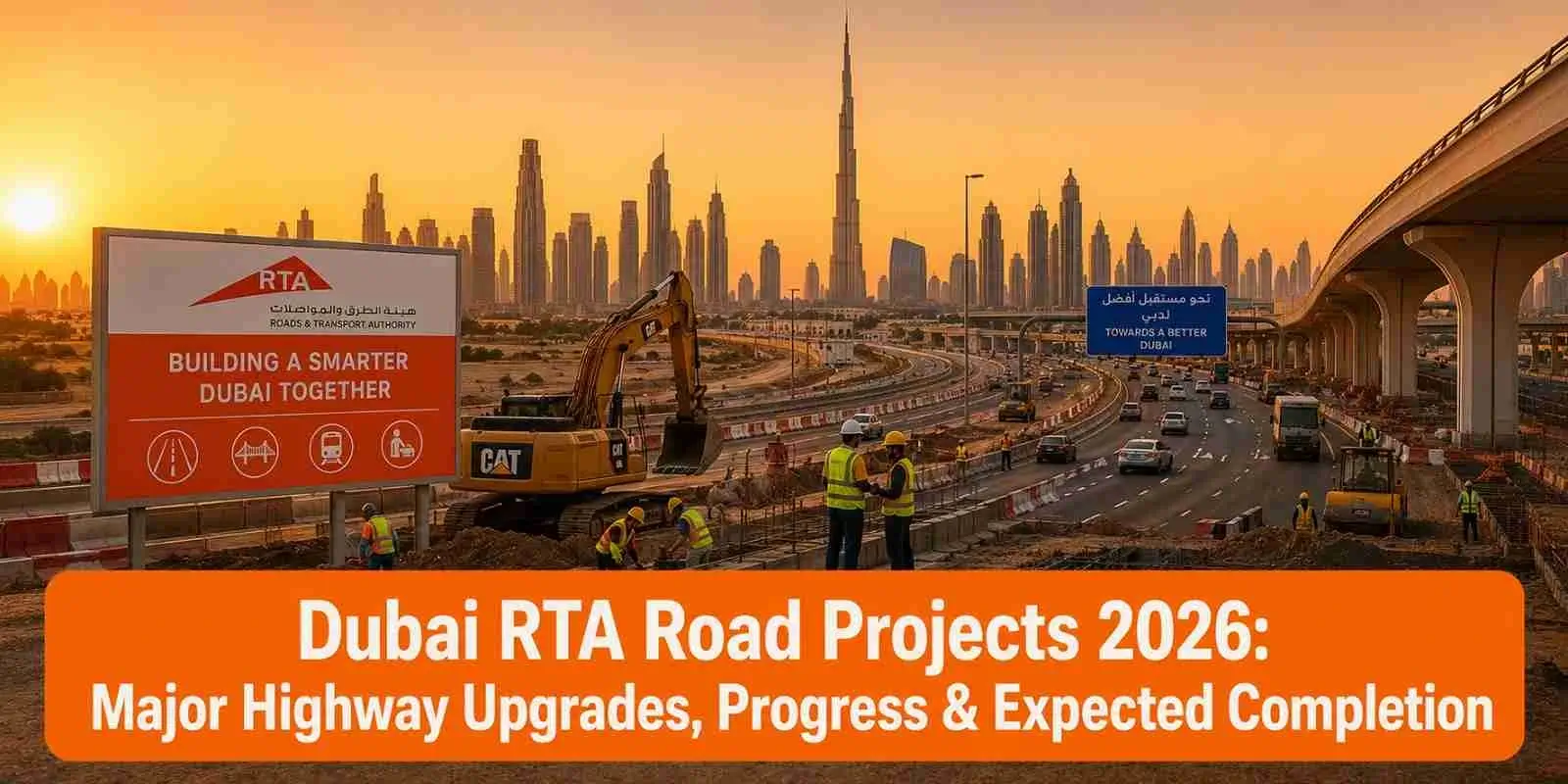
The Al Safa Street Project in Dubai is one of several major infrastructure developments underway across the emirate.
Dubai’s RTA is continuing to invest in bridges, tunnels, road widening, pedestrian infrastructure and intersection upgrades to support population growth and increasing mobility demand.
In June 2026, RTA also announced a five-year plan for 2026–2030 that includes 31 pedestrian bridges and tunnels across key locations in Dubai.
Other major road developments are also being delivered across the emirate, demonstrating the scale of Dubai’s ongoing transport infrastructure programme.
For motorists, these projects can mean temporary traffic changes during construction but are intended to improve road connectivity and capacity over the longer term.
Quick Look: Al Safa Street Project in Dubai
| Project Feature | Planned Improvement |
| Location | Sheikh Zayed Road to Al Wasl Street |
| Project length | 1,500 metres |
| Bridges | 2 |
| Tunnels | 2 |
| Combined bridge and tunnel length | 3,120 metres |
| Road widening | Four lanes in each direction |
| Current capacity | 6,000 vehicles per hour |
| Planned capacity | 12,000 vehicles per hour |
| Current journey time | Around 12 minutes |
| Planned journey time | Around 3 minutes |
| Pedestrian facilities | Dedicated walkways |
| Cycling facilities | Dedicated cycling tracks |
How to Stay Updated During the Al Safa Roadworks
Drivers should check the latest RTA traffic information before travelling through the project area, particularly during busy periods.
Temporary traffic arrangements can change as different phases of construction progress. Entrances, exits, lane configurations and diversions may therefore not remain the same throughout the project.
Following official road signs and temporary traffic instructions is important for navigating the construction zone safely.
For people travelling to City Walk, Al Wasl, Al Satwa, Sheikh Zayed Road or nearby destinations, allowing some additional journey time during construction may also be useful.
Final Verdict
The Al Safa Street Project in Dubai is a major road infrastructure development designed to improve traffic movement between Sheikh Zayed Road and Al Wasl Street.
The 1,500-metre project includes two bridges, two tunnels, road widening, upgraded intersections and improved traffic signal systems. Once complete, RTA expects the project to reduce travel time along Al Safa Street from 12 minutes to around three minutes and increase capacity from 6,000 to 12,000 vehicles per hour in both directions.
For drivers, the construction phase means temporary traffic arrangements and changing road layouts. However, the completed infrastructure is intended to provide more direct traffic movements, fewer stops at busy junctions and stronger connections between major roads.
As part of Dubai’s wider road development programme, the project also highlights how the emirate is continuing to expand and modernise its transport infrastructure to accommodate future growth.
Stay Updated with Miss Auto
Want to stay informed about the latest Dubai road projects 2026, RTA announcements, traffic changes and automotive developments?
Miss Auto brings UAE motorists and residents practical updates covering road projects, traffic regulations, road safety, public transport developments, vehicle news, maintenance advice and important changes affecting everyday travel.
Follow Miss Auto for the latest UAE mobility updates, driving guides and automotive insights to help you stay informed wherever your journey takes you.
FAQs
What is the Al Safa Street Project Dubai?
The Al Safa Street Project is an RTA road improvement project covering a 1,500-metre stretch between Sheikh Zayed Road and Al Wasl Street. It includes two bridges, two tunnels, road widening, intersection upgrades and traffic signal improvements.
How many bridges and tunnels are being built on Al Safa Street?
The project includes two bridges and two tunnels, with a combined length of approximately 3,120 metres.
How much will the Al Safa Street Project reduce travel time?
RTA expects travel time along Al Safa Street to decrease from approximately 12 minutes to three minutes once the project is completed.
Will Al Safa Street have more lanes after the project?
Yes. Al Safa Street will be widened from three signal-controlled lanes in each direction to four lanes in each direction. Two lanes will provide free-flowing movement, while the other two will remain signal-controlled.
What should drivers know about Al Safa Street during construction?
Traffic arrangements may change as construction progresses. Temporary roads, diversions, upgraded entrances and exits and revised intersection layouts are being used in different parts of the work zone. Drivers should follow the latest signs and traffic instructions while travelling through the area.
Is the Al Safa Street project part of a larger Dubai road development?
Yes. The project forms part of a wider RTA programme covering improvements to Al Safa Street, Al Wasl Road, Umm Suqeim Street and intersections along Jumeirah Street.