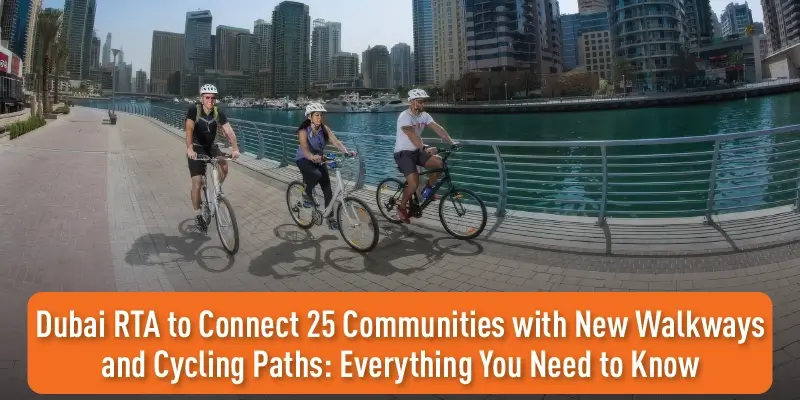

As Dubai continues to redefine urban mobility, the Roads and Transport Authority (RTA) has announced an ambitious initiative to connect 25 communities through an extensive network of walkways and cycling paths. The project marks another significant milestone in the emirate’s vision of creating a healthier, greener, and more connected city where walking and cycling become practical transportation choices rather than recreational activities.

The new Dubai RTA walkways and cycling paths project is designed to enhance connectivity between residential neighborhoods, public transport stations, parks, commercial districts, and lifestyle destinations while encouraging residents to embrace sustainable mobility.
By expanding Dubai’s soft mobility infrastructure, the RTA aims to reduce reliance on private vehicles, improve road safety, support environmental sustainability, and enhance the quality of urban life for residents and visitors alike.
Whether you’re a daily commuter, cyclist, pedestrian, fitness enthusiast, or simply interested in Dubai’s future mobility plans, here’s everything you need to know about this transformative initiative.
Dubai RTA Walkways and Cycling Paths – Quick Overview
| Category | Details |
|---|---|
| Project Type | Soft Mobility Network Expansion |
| Announced By | Dubai Roads and Transport Authority (RTA) |
| Communities Covered | 25 Dubai Communities |
| Focus Areas | Walkways, Cycling Paths, Pedestrian Connectivity |
| Objective | Improve Sustainable Urban Mobility |
| Supports | Walking, Cycling & Public Transport Integration |
| Long-Term Vision | Connected, Healthy and Sustainable Dubai |
Dubai RTA Expands Soft Mobility Across 25 Communities
Dubai has consistently invested in world-class transportation infrastructure, from smart roads and metro expansions to autonomous mobility solutions. The latest initiative focuses on creating a comprehensive soft mobility network that makes walking and cycling safer, more convenient, and accessible across multiple neighborhoods.
The project aims to bridge gaps between residential areas and essential destinations by developing interconnected pedestrian pathways and cycling tracks. Rather than treating cycling and walking as isolated recreational activities, the RTA is positioning them as practical modes of daily transportation that complement Dubai’s existing public transport network.
This expansion reflects Dubai’s commitment to building an inclusive city where mobility is efficient, environmentally friendly, and accessible to everyone.
Purpose of the Dubai RTA Walkways and Cycling Paths Project
The initiative has been developed to support Dubai’s long-term urban development and sustainability strategies while encouraging active lifestyles.
The project aims to:
- Connect 25 residential communities.
- Improve pedestrian accessibility.
- Expand Dubai's cycling infrastructure.
- Promote environmentally friendly transportation.
- Encourage healthier lifestyles.
- Reduce dependence on private vehicles.
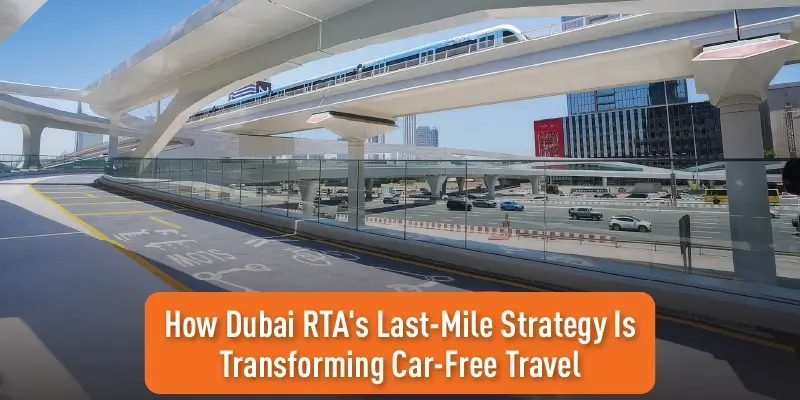
- Improve first and last-mile connectivity.
- Enhance road safety for pedestrians and cyclists.
- Support Dubai's sustainability goals.
- Strengthen community integration.
Together, these objectives contribute to a more connected and people-friendly urban environment.
Why Soft Mobility Matters in a Growing City
As cities continue to expand, transportation systems must evolve beyond traditional road networks.
Soft mobility, including walking, cycling, and micromobility, offers numerous advantages:
- Lower traffic congestion.
- Reduced carbon emissions.
- Improved public health.
- Greater accessibility.
- Better neighborhood connectivity.
- Enhanced public spaces.
- Increased transport flexibility.
By investing in dedicated walkways and cycling routes, Dubai is creating a transportation ecosystem that balances convenience, sustainability, and quality of life.
Key Features of the Dubai RTA Walkways and Cycling Paths Network
The new network has been designed to provide safe, seamless, and convenient mobility for residents across multiple communities.
Key highlights include:
- Dedicated pedestrian walkways.
- Safe cycling tracks.
- Improved crossings and accessibility.
- Better links between residential communities.
- Enhanced connectivity to public transport stations.
- Integrated urban mobility planning.
- Modern infrastructure designed for all users.
- Comfortable routes encouraging active transportation.
These features will help create safer travel experiences while encouraging more people to walk or cycle for short-distance journeys.
Communities Set to Benefit
The project will connect 25 communities, improving accessibility between neighborhoods and major destinations.
Residents can expect:
- Easier access to nearby parks.
- Better connectivity to schools.
- Improved routes to shopping destinations.
- Safer access to healthcare facilities.
- Convenient links to metro and bus stations.
- More recreational cycling opportunities.
This integrated approach helps transform neighborhoods into more walkable and livable communities.
Supporting Dubai's Sustainable Transport Vision
The Dubai RTA walkways and cycling paths initiative aligns closely with the emirate’s broader sustainability agenda.
The project supports:
- Dubai sustainable transport objectives.
- Reduced greenhouse gas emissions.
- Cleaner urban environments.
- Smart city development.
- Green mobility solutions.
- Climate-conscious infrastructure.
- Active transportation initiatives.
Encouraging walking and cycling contributes directly to reducing the environmental impact of urban transportation while improving overall city resilience.
Benefits for Residents
Residents across Dubai stand to gain significantly from the expanded network.
Key benefits include:
- Safer walking environments.
- Dedicated cycling infrastructure.
- Improved daily commuting options.
- Healthier lifestyles.
- Reduced transportation costs.
- Greater convenience for families.
- Better neighborhood connectivity.
- Improved access to essential services.
- Enhanced outdoor recreation opportunities.
The project is designed to make everyday travel easier while encouraging healthier habits.
Benefits for Cyclists
Cyclists will benefit from an increasingly connected network that supports both recreational and commuter cycling.
Advantages include:
- Continuous cycling routes.
- Improved rider safety.
- Better route planning.
- Increased accessibility.
- Reduced interaction with vehicle traffic.
- Greater confidence for new cyclists.
- Expanded cycling opportunities across Dubai.
A connected cycling network also encourages more residents to adopt cycling as part of their daily routine.
Enhancing Public Transport Connectivity
One of the key objectives of the project is improving first and last-mile connectivity.
The expanded network helps residents:
- Walk safely to Metro stations.
- Cycle to bus stops.
- Access public transport more conveniently.
- Reduce dependence on private vehicles.
- Improve multimodal transportation options.
- Experience smoother daily commutes.
By connecting neighborhoods with public transport, Dubai creates a more integrated mobility ecosystem.
Economic and Tourism Benefits
Beyond improving transportation, the project also supports Dubai’s economy and tourism sector.
Potential benefits include:
- Increased local business activity.
- Higher footfall in retail districts.
- More attractive public spaces.
- Enhanced tourism experiences.
- Greater investment appeal.
- Improved property values.
- Stronger community development.
Walkable cities often create vibrant public environments that benefit businesses and residents alike.
Supporting Healthier Communities
Walking and cycling contribute significantly to public health.
The project encourages residents to:
- Increase daily physical activity.
- Reduce sedentary lifestyles.
- Improve cardiovascular health.
- Enhance mental well-being.
- Spend more time outdoors.
- Build healthier daily routines.
Accessible infrastructure makes active transportation a natural part of everyday life.
Smart Urban Planning for the Future
Dubai continues investing in future-ready infrastructure designed around people rather than vehicles alone.
The walkways and cycling paths project complements several ongoing initiatives, including:
- Smart mobility programs.
- Public transport expansion.
- AI-powered traffic management.
- Sustainable urban planning.
- Green infrastructure projects.
- Intelligent transportation systems.
- Community-focused development.
Together, these initiatives reinforce Dubai’s position as one of the world’s leading smart cities.
What Residents Should Expect
As the project progresses, residents can expect:
- Improved pedestrian infrastructure.
- Safer cycling facilities.
- Better neighborhood connectivity.
- Easier access to public transport.
- Enhanced urban landscapes.
- Modern mobility solutions.
- Increased opportunities for active transportation.
- Continued investment in sustainable infrastructure.
The initiative represents a long-term investment in Dubai’s future mobility ecosystem.
Why This Project Matters
Modern cities require transportation systems that offer more than roads for vehicles.
The Dubai RTA walkways and cycling paths project reflects a broader shift toward creating cities where walking and cycling become practical, safe, and enjoyable transportation options.
By connecting communities through dedicated pedestrian and cycling infrastructure, Dubai is promoting healthier lifestyles, reducing environmental impact, and creating more accessible neighborhoods for everyone.
The initiative also supports Dubai’s ambition to become one of the world’s most sustainable and people-centric urban destinations.
Pros and Cons
Pros
The Dubai RTA walkways and cycling paths initiative improves pedestrian safety, expands cycling infrastructure, strengthens community connectivity, encourages healthier lifestyles, reduces traffic congestion, lowers carbon emissions, enhances public transport accessibility, supports sustainable urban development, and contributes to Dubai’s long-term smart mobility vision.
Cons
Large-scale infrastructure projects require phased implementation, ongoing maintenance, traffic management during construction, and continued collaboration between urban planners, transport authorities, and local communities to maximize long-term benefits.
Final Verdicts
The Dubai RTA walkways and cycling paths initiative represents another major step toward transforming Dubai into one of the world’s most connected, sustainable, and livable cities.
By linking 25 communities through modern pedestrian walkways and cycling paths, the RTA is creating an integrated transportation network that encourages active mobility while supporting public transport and reducing reliance on private vehicles.
As Dubai continues investing in innovative infrastructure, residents can look forward to safer neighborhoods, healthier lifestyles, improved accessibility, and a transportation system designed around sustainability and convenience.
This ambitious project reinforces Dubai’s commitment to building a future where mobility is smarter, greener, and more inclusive for everyone.
Stay Updated with the Latest Dubai Mobility & Infrastructure News
Stay informed with the latest developments in Dubai RTA projects, Dubai cycling infrastructure, RTA pedestrian projects, Dubai sustainable transport, cycling paths Dubai 2026, smart mobility initiatives, urban planning, transportation infrastructure, public transport expansion, and green mobility solutions.
From major road projects and metro expansions to cycling networks, walkable communities, and intelligent transportation systems, we bring you reliable insights covering the latest developments shaping Dubai’s future mobility landscape.
Guest Blog Submission
Are you passionate about sustainable transportation, smart cities, cycling infrastructure, urban planning, mobility innovation, public transport, road safety, environmental sustainability, or UAE infrastructure development?
Join our growing contributor community and share your expertise with readers across the UAE.
We welcome guest articles covering:
- Dubai RTA projects
- Cycling infrastructure
- Walkable communities
- Sustainable transportation
- Smart mobility
- Urban planning
- Public transport
- Green city initiatives
- Intelligent transportation systems
- UAE infrastructure developments
Become a contributor and help shape conversations around the future of sustainable mobility in the UAE.
Frequently Asked Questions
What is the Dubai RTA walkways and cycling paths project?
The project is a new soft mobility initiative by Dubai’s Roads and Transport Authority (RTA) that will connect 25 communities through dedicated pedestrian walkways and cycling paths to improve accessibility and sustainable transportation.
Why is Dubai expanding its cycling and pedestrian network?
The initiative aims to promote healthier lifestyles, improve community connectivity, reduce reliance on private vehicles, enhance road safety, and support Dubai’s long-term sustainability and smart mobility goals.
How will residents benefit from the project?
Residents will enjoy safer walking routes, dedicated cycling tracks, easier access to public transport, improved neighborhood connectivity, healthier commuting options, and enhanced access to parks, schools, and commercial areas.
How does the project support sustainable transportation?
By encouraging walking and cycling for short-distance travel, the project helps reduce traffic congestion, lower carbon emissions, and create a more environmentally friendly transportation system.
Will the new network connect with public transport?
Yes. One of the project’s primary objectives is to improve first and last-mile connectivity by linking residential communities with Dubai Metro stations, bus stops, and other public transport facilities.
How does this initiative support Dubai's smart mobility vision?
The project complements Dubai’s broader smart mobility strategy by integrating pedestrian infrastructure, cycling facilities, public transport, and sustainable urban planning into a connected transportation ecosystem.