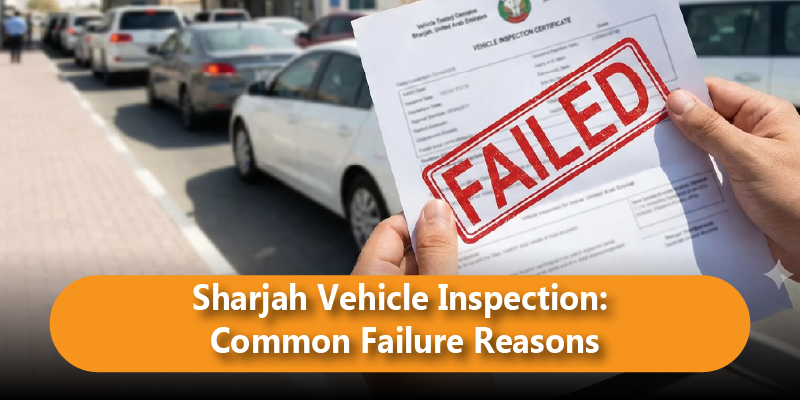

Owning a car in the UAE comes with an important responsibility that many drivers tend to underestimate passing the annual vehicle inspection. In Sharjah, this process is strictly regulated to ensure road safety, environmental compliance, and vehicle reliability. While many motorists approach Sharjah vehicle inspection with confidence, a surprising number fail the test each year due to issues they never expected.
From worn-out tyres to minor electrical faults, vehicle inspection failure Sharjah authorities record is often caused by preventable problems. Understanding these reasons in advance can save you time, money, and the frustration of repeat testing.
This blog explores the most common inspection failures, uncovers myths surrounding Sharjah car testing, and shares expert tips to help your vehicle pass the Sharjah registration test smoothly.
Why Vehicle Inspection Matters in Sharjah
The annual inspection is not just a formality. It is a safety and compliance checkpoint enforced under Sharjah traffic rules to ensure that vehicles on the road do not pose risks to drivers, passengers, or pedestrians. The inspection process evaluates mechanical condition, emissions, visibility, braking efficiency, and overall roadworthiness.
Unlike casual service checks, UAE vehicle testing follows standardized guidelines, and even small faults can lead to failure. Many drivers are surprised to learn that cosmetic issues rarely cause rejection, while overlooked safety components often do.
Common Reasons for Vehicle Inspection Failure in Sharjah
One of the most frequent reasons for vehicle inspection failure Sharjah testing centers report is worn or damaged tyres. Tyres with insufficient tread depth, uneven wear, visible cracks, or mismatched sizes can immediately result in a failed test. Even if the tyres appear usable for daily driving, inspection standards are far stricter.
Brake system issues are another major concern during Sharjah car testing. Weak braking performance, worn brake pads, damaged discs, or brake fluid leaks are taken seriously. Any delay in braking response or imbalance between wheels can cause inspectors to reject the vehicle for safety reasons.
Lighting and visibility problems also account for many common inspection failures. Headlights that are misaligned, brake lights that do not function properly, fog lamps that are permanently switched on, or cracked mirrors can all lead to test failure. Inspectors check whether your lights meet road visibility requirements under Sharjah traffic rules.
Suspension and steering issues are often unnoticed by drivers until inspection day. Worn shock absorbers, loose steering components, or unstable wheel alignment can result in rejection. These issues affect vehicle control and stability, which is why car inspection UAE authorities treat them as critical safety concerns.
Engine oil leaks and fluid seepage are another common reason vehicles fail inspection. Even small leaks from the engine, gearbox, or power steering system are flagged during Sharjah vehicle inspection. Inspectors view leaks as indicators of mechanical neglect or potential environmental hazards.
Excessive exhaust emissions are increasingly causing vehicle inspection failure Sharjah test results. Vehicles that produce dark smoke, emit strong fumes, or fail emissions standards are rejected. This applies especially to older vehicles or cars with poorly maintained engines.
Windscreen condition is another overlooked factor. Cracks in the driver’s line of sight, damaged wipers, or malfunctioning washer systems can lead to failure. Visibility is a core safety requirement under UAE vehicle testing regulations.
Horn malfunction and warning system issues may seem minor, but they are essential safety features. A non-functioning horn or dashboard warning lights that indicate unresolved faults can prevent your vehicle from passing the Sharjah registration test.
Myths About Sharjah Vehicle Inspection
One common myth is that servicing your car a few days before inspection guarantees a pass. While servicing helps, inspection standards differ from regular maintenance checks. A car may feel smooth to drive yet still fail due to technical non-compliance.
Another misconception is that only old vehicles fail inspections. In reality, newer cars also fail Sharjah car testing due to neglected maintenance, incorrect modifications, or unresolved warning indicators.
Some drivers believe cosmetic damage causes inspection failure. Scratches, dents, and faded paint rarely affect inspection outcomes unless they interfere with safety components.
Why Small Issues Cause Big Problems
Many drivers are surprised to learn that inspection centers follow a checklist approach. Even one failed parameter results in rejection. Inspectors are not allowed to overlook faults, regardless of how minor they appear. This strict process ensures consistency across all car inspection UAE facilities.
Expert Tips to Pass Sharjah Vehicle Inspection on the First Attempt
Before booking your Sharjah vehicle inspection, conduct a basic pre-check. Inspect tyre condition and pressure, test all lights, check fluid levels, and ensure no warning lights are illuminated on the dashboard.
Address oil leaks and unusual engine noises early. Even minor leaks can fail your Sharjah registration test, so timely repairs are crucial.
Ensure your brakes respond evenly and smoothly. If you notice vibrations or delayed braking, have the system inspected professionally before testing.
Avoid last-minute repairs. Give yourself enough time between servicing and inspection to test-drive the vehicle and confirm all issues are resolved.
Why Vehicles Fail Re-Inspection
Many drivers fail re-tests because they fix only the reported issue while ignoring related problems. For example, replacing brake pads without addressing damaged discs can still result in vehicle inspection failure Sharjah centers report during re-checks.
This is why comprehensive inspections before testing are highly recommended.
Final Words: Pass Your Sharjah Vehicle Inspection with Confidence
Preparation Is the Key to Inspection Success
The Sharjah vehicle inspection process is designed to keep roads safe, not to inconvenience drivers. Most common inspection failures are preventable with awareness, timely maintenance, and professional checks. Understanding how Sharjah car testing works and complying with Sharjah traffic rules ensures a smooth registration renewal experience.
By addressing small issues early and following inspection guidelines carefully, you can avoid unnecessary delays, re-test fees, and unexpected repair costs.
Frequently Asked Questions About Sharjah Vehicle Inspection
1. How often is Sharjah vehicle inspection required?
Most vehicles must undergo Sharjah vehicle inspection annually during registration renewal, depending on vehicle age and category.
2. What happens if my car fails Sharjah car testing?
If your vehicle fails, you will receive a failure report and must fix the issues before reattempting the Sharjah registration test.
3. Can I drive my car after inspection failure?
You may drive only to repair facilities. Continued use without passing car inspection UAE regulations may lead to fines.
4. Do minor issues really cause inspection failure?
Yes. Even small safety-related faults can result in vehicle inspection failure Sharjah authorities enforce.
5. Can I choose any garage for inspection repairs?
Yes. Repairs can be done at any workshop, but inspection must be completed at approved UAE vehicle testing centers.
Your Go-To Source for UAE Vehicle Testing News & Insights
Miss Auto UAE brings you the latest updates, expert articles, and practical guides on Sharjah vehicle inspection, Sharjah car testing, UAE vehicle testing, and automotive regulations across the UAE.