

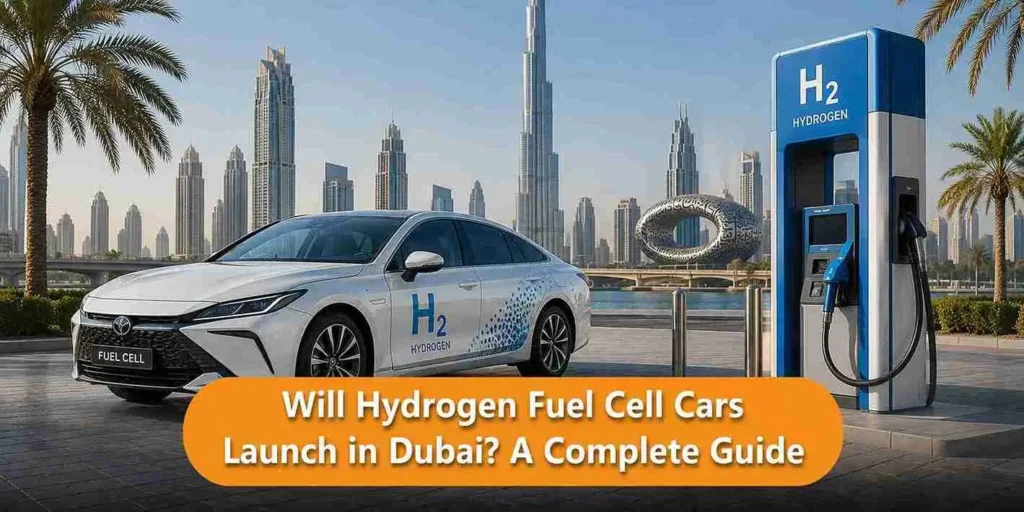

The future of sustainable mobility is rapidly evolving, and hydrogen-powered vehicles are emerging as one of the most promising alternatives to conventional petrol and diesel cars. With the recent global debut of the FAST F61H hydrogen-powered supercar in Abu Dhabi, many automotive enthusiasts are asking whether hydrogen fuel cell cars in Dubai could soon become a reality. The launch highlights the UAE’s growing commitment to clean transportation and next-generation mobility solutions.

While electric vehicles continue to dominate the clean mobility conversation, hydrogen technology offers unique advantages such as fast refuelling, long driving ranges, and zero tailpipe emissions for fuel-cell vehicles. As Dubai accelerates its sustainability goals, hydrogen-powered mobility could play a significant role in the country’s transportation future.
Here’s everything you need to know about hydrogen cars in UAE, the recent launch, and what it could mean for motorists.
Hydrogen Mobility Takes a Step Forward in the UAE
The UAE has taken another step toward future mobility following the world premiere of the FAST F61H in Abu Dhabi. The hydrogen-powered performance car demonstrates how hydrogen technology can deliver high-performance driving while supporting lower-emission transportation solutions.
Although the F61H is not a hydrogen fuel-cell vehicle, its launch reflects increasing interest in hydrogen-powered mobility across the region and reinforces the UAE’s ambition to become a leader in clean automotive innovation.
What Are Hydrogen Fuel Cell Cars?
Hydrogen fuel cell vehicles (FCEVs) generate electricity by combining hydrogen with oxygen inside a fuel cell.
Unlike conventional petrol vehicles, they produce only:
- Water vapour
- Heat
Key components include:
- Hydrogen storage tanks
- Fuel cell stack
- Electric motor
- Battery for energy management
Unlike battery-electric vehicles, hydrogen cars can typically be refuelled within minutes while offering driving ranges comparable to traditional petrol vehicles.
FAST F61H: A Landmark Hydrogen Vehicle Launch
The recent unveiling of the FAST F61H has attracted significant global attention.
Unlike hydrogen fuel-cell vehicles, the F61H uses a hydrogen-powered internal combustion V12 engine, preserving the sound and driving feel of a traditional performance car while significantly reducing carbon emissions.
Key Highlights
- World's first street-legal hydrogen V12 supercar
- Global debut held in Abu Dhabi
- 5.5-litre hydrogen-powered V12 engine
- Around 500 horsepower
- Six-speed manual transmission
- Zero CO₂ emissions from hydrogen combustion
The launch demonstrates that hydrogen technology can power both everyday vehicles and high-performance sports cars.
Why the UAE Is Investing in Hydrogen Mobility
The UAE continues investing heavily in sustainable transportation and clean energy technologies.
Key initiatives include:
- National clean energy strategies
- Hydrogen production projects
- Investment in green hydrogen
- Expansion of alternative fuel infrastructure
- Support for low-emission transportation
These initiatives position the UAE as one of the leading markets exploring hydrogen-powered mobility in the Middle East.
Hydrogen Fuel Cell vs Hydrogen Combustion Engines
Although both use hydrogen, they operate differently.
| Feature | Hydrogen Fuel Cell | Hydrogen Combustion Engine |
|---|---|---|
| Power Source | Fuel Cell + Electric Motor | Internal Combustion Engine |
| Emissions | Water Vapour | Primarily Water Vapour with very low emissions |
| Driving Experience | Quiet EV-like operation | Traditional engine sound |
| Refuelling | Around 3–5 minutes | Similar to petrol vehicles |
| Technology | Electric drivetrain | Conventional engine architecture |
The FAST F61H showcases hydrogen combustion technology, while many global manufacturers continue developing hydrogen fuel-cell passenger vehicles.
Also Read: UAE Car Auctions: Guide for First-Timers
Benefits of Hydrogen Cars
Hydrogen-powered vehicles offer several advantages that could support Dubai clean transportation goals.
Zero Tailpipe Emissions (Fuel Cell Vehicles)
Fuel-cell vehicles emit only water vapour.
Fast Refuelling
Hydrogen vehicles can typically be refuelled in just a few minutes.
Long Driving Range
Many hydrogen vehicles offer ranges similar to petrol-powered cars.
Reduced Dependence on Fossil Fuels
Hydrogen supports the transition toward cleaner transportation.
Suitable for Commercial Transport
Hydrogen technology is particularly attractive for buses, trucks, and long-distance transportation.
Challenges to Hydrogen Adoption
Despite its potential, hydrogen mobility still faces several challenges.
These include:
- Limited hydrogen refuelling stations
- High infrastructure investment
- Vehicle production costs
- Limited consumer availability
- Hydrogen production scalability
As infrastructure expands, these challenges are expected to gradually reduce.
Could Hydrogen Cars Launch in Dubai?
While no official timeline has been announced for widespread hydrogen passenger vehicle availability in Dubai, recent developments suggest the market is moving in that direction.
Several factors support future adoption:
- Government sustainability initiatives
- Clean mobility investments
- Growing alternative fuel infrastructure
- Rising demand for zero-emission transportation
- Increasing manufacturer interest in hydrogen technology
The successful launch of the FAST F61H in Abu Dhabi demonstrates that the UAE is becoming an attractive market for advanced hydrogen-powered vehicles.
Future of Hydrogen Mobility in Dubai
The future of hydrogen mobility Dubai appears promising as the country continues pursuing carbon reduction and sustainable transportation.
Future developments may include:
- Hydrogen refuelling stations
- Commercial hydrogen fleets
- Public transportation powered by hydrogen
- Passenger fuel-cell vehicles
- Heavy-duty hydrogen trucks
- Continued investment in green hydrogen production
Hydrogen is expected to complement electric vehicles rather than replace them, providing additional options for different transportation needs.
Final Thoughts
The arrival of the FAST F61H marks an exciting milestone for hydrogen-powered mobility in the UAE. While the vehicle uses a hydrogen combustion engine rather than a fuel-cell system, its successful debut highlights the country’s growing role in advancing alternative fuel technologies.
As investment in clean energy and sustainable transportation continues, hydrogen fuel cell cars Dubai could eventually become part of the UAE’s evolving mobility landscape. Combined with electric vehicles and other low-emission technologies, hydrogen has the potential to reshape the future of transportation across the Emirates.
For more UAE automotive news, vehicle launches, and mobility updates, stay connected with the latest developments shaping the region’s automotive industry.
Share your insights with the Miss Auto UAE blog community.
FAQ
What are hydrogen fuel cell cars?
Hydrogen fuel-cell vehicles generate electricity using hydrogen and oxygen to power an electric motor, producing only water vapour as the primary emission.
Has a hydrogen-powered car been launched in the UAE?
Yes. The FAST F61H made its global debut in Abu Dhabi as the world’s first street-legal hydrogen-powered V12 internal combustion supercar.
Is the FAST F61H a fuel-cell vehicle?
No. The FAST F61H uses a hydrogen-powered internal combustion engine rather than a hydrogen fuel-cell system.
Will hydrogen fuel cell cars launch in Dubai?
While there is no official launch timeline, the UAE’s continued investment in hydrogen infrastructure and clean mobility suggests hydrogen passenger vehicles could become more common in the future.
Why is hydrogen considered an alternative fuel?
Hydrogen can reduce dependence on fossil fuels while supporting lower-emission transportation through fuel-cell or hydrogen combustion technologies.
What are the advantages of hydrogen vehicles?
Hydrogen-powered vehicles offer fast refuelling, long driving ranges, reduced emissions, and strong potential for both passenger and commercial transportation.


