Dubai is one of the few cities where renting a car genuinely improves the trip. The distances are real, the roads are excellent, and the air conditioning stops being a luxury and becomes survival equipment for half the year. But the practical layer of driving here – tolls, cameras, parking rituals, deposit customs – is what actually shapes a visitor’s first week. None of it is difficult. All of it is easier if you know it before you land.

The paperwork, in plain terms

Start with the licence. Under the UAE’s rules, visitors from many countries can drive on their valid home-country licence, while others need an International Driving Permit alongside it. The official UAE government portal maintains the current list of countries whose licences are accepted, and it is worth checking that list for your specific passport before you book anything, rather than relying on forum answers. Rental companies also set their own conditions on top of the legal baseline: minimum driver ages vary by company and by car class, with higher minimums commonly applied to high-performance vehicles, and most ask for a passport copy and visit visa or entry stamp. None of this is negotiable at the counter, so sort it before you fly.

Tolls without toll booths

Dubai’s road toll system, Salik, has no booths and no barriers. Cameras and sensors at toll gates read a small tag on the windscreen, and the fee is deducted automatically. The tariff is time-based, with higher charges during busy traffic windows, and the exact rates, hours and holiday or Ramadan variations change from time to time – so check the current official Salik tariff before you drive rather than relying on any fixed figure, this guide included. As a renter you never handle a tag yourself – the car comes with one fitted, and the rental company bills your accumulated tolls back to you, usually after you return the car. The practical lesson: the fastest route on your map often runs through several gates a day, and a week of commuting across the city adds a modest but real toll total to your bill. Ask how and when tolls are charged back before you sign.

Cameras, limits, and the one rule that matters

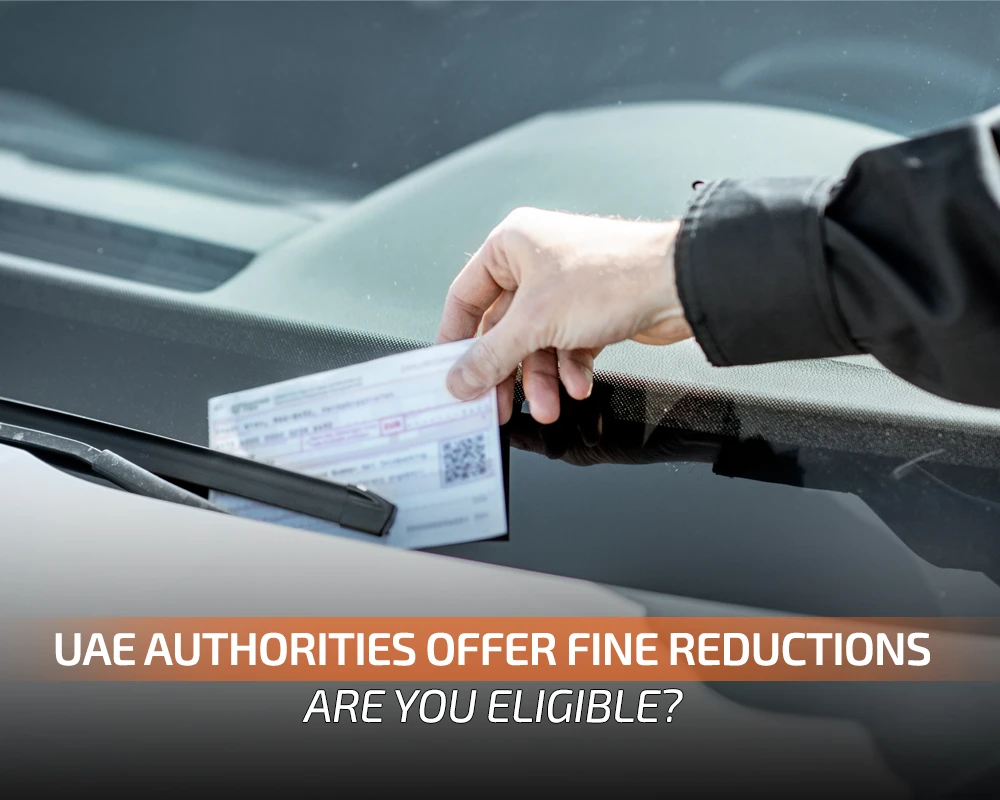
Speed enforcement in Dubai is heavily automated, and visitors should assume that limits are enforced everywhere, all the time. Fines are issued to the vehicle, which means they reach the rental company first and are then passed on to you, often with an admin fee, sometimes weeks later. The same delayed-billing logic applies to parking violations. The cleanest strategy is boring: follow the posted limit, use cruise control on the big highways, and let the tailgaters in the left lane do whatever they are doing without you. One rule deserves its own sentence:

driving under the influence of alcohol is a serious offence in the UAE, listed among the country’s most severe traffic violations. The workable visitor rule is not “have one and wait” – it is not at all.

Parking is easier than it looks

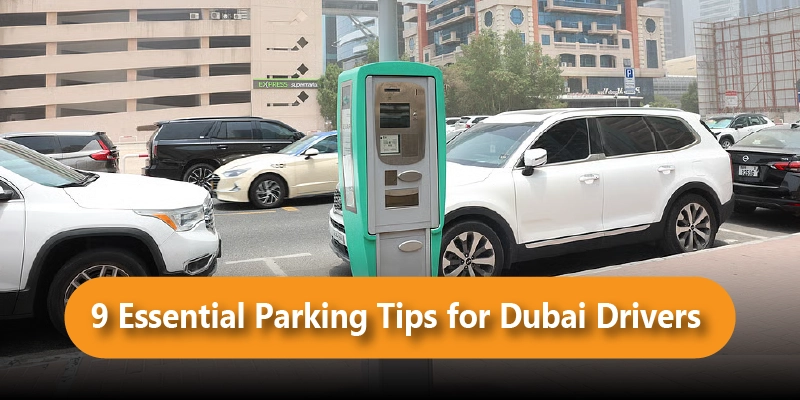
The good news first: malls and hotels dominate Dubai’s geography, and most of them offer free parking or valet service, which removes the daily parking anxiety visitors bring from other big cities. Street parking in older districts and business zones is metered, with signage showing zone numbers and tariffs; payment is handled through official SMS and app-based services rather than loose coins. Watch the signs for paid hours, which commonly run through the day and evening. Where visitors get caught out is not the paying – it is the small print: resident-only bays, loading zones, and the sand-coloured patches that look like informal parking but are not.

Fuel and the small rituals

Petrol stations in the UAE are full-service: an attendant fills the car, and you pay by card without leaving your seat. Fuel grades are standard, prices are set nationally and adjust monthly, and stations on main roads are plentiful – the only planning you need is on long desert or mountain drives, where topping up before you leave the city is simply sensible. Two more local rituals worth knowing: summer cabin heat is serious enough that most drivers cool the car before getting in, and Friday midday sees noticeably lighter traffic around prayer time, which experienced residents quietly use for longer cross-city drives.

Deposits, insurance, and the handover

The part that surprises visitors most is the money held at the start. Many rental companies block a security deposit on your card – often several thousand dirhams on an ordinary car, more on luxury and performance models – to cover late-arriving fines, tolls, fuel differences and damage excess, and the release can take days or weeks after return. Some companies now offer zero-deposit terms instead, pricing the risk into the daily rate or an insurance package. Whichever model you choose, three questions protect you: what exactly is the insurance excess in the worst case, what is the daily mileage allowance and the cost of exceeding it, and when precisely will the deposit or any post-rental charges be settled. Then do the unglamorous thing: photograph the car from every angle at handover, wheels and windscreen included, and keep the photos until the deposit is back.

Rental terms in Dubai vary widely, so it pays to compare before you fly. Operators such as Billionaire Luxury Car Rental publish their day rates, insurance cover and mileage terms openly, which makes the deposit conversation much easier to have in advance rather than at a counter after a long flight.

The first-week summary

Learn the toll rhythm, assume every limit is enforced, treat parking signs as instructions rather than suggestions, let the attendant fill the tank, and read the deposit terms before you sign. Do that, and Dubai’s roads do what they were designed to do – make the city, the desert and the mountains feel close.

Author

Shares: