Introduction
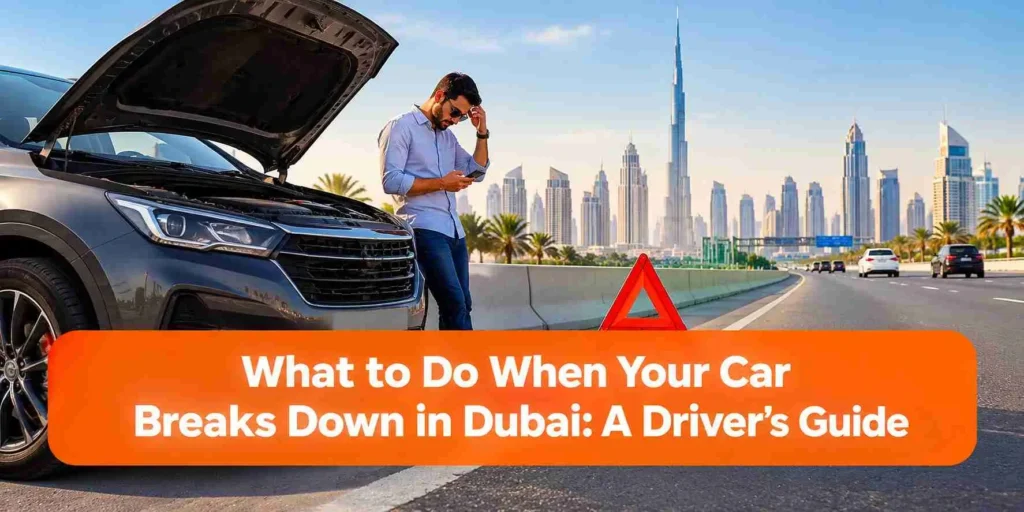
Knowing what to do when your vehicle stops working can help you stay safe and make sensible decisions. Dubai’s hot weather, busy roads and long driving distances make preparation particularly important. The first priority is always safety; repairs and recovery arrangements come second.
1. Move to a Safe Location If Possible
If you notice warning lights, unusual engine noises, smoke or a sudden loss of power, remain calm and assess the situation. If the vehicle is still controllable, move towards a safe place away from moving traffic, such as a suitable parking area. Avoid sudden manoeuvres or stopping in a live traffic lane unless continuing would be more dangerous.
Once stopped, switch on your hazard warning lights and apply the parking brake. Turn off the engine if it is overheating, smoking or showing signs of a serious mechanical problem. Before opening a door or leaving the vehicle, check the traffic around you.
If you can safely exit, move to a protected area away from moving traffic. Do not attempt repairs on a motorway shoulder or another dangerous roadside location. If the vehicle is creating a traffic hazard, contact the relevant authorities and follow their instructions.
2. Use Hazard Lights and a Warning Triangle Carefully
Hazard warning lights alert other road users that your vehicle is stationary or experiencing a problem. Switch them on as soon as it is safe to do so.
A warning triangle may also be appropriate where required by local regulations and where it can be positioned safely. Never walk into moving traffic to place one. If reaching a suitable position would put you at risk, stay in a safer location and seek assistance. Drivers should familiarise themselves with applicable UAE traffic rules and follow instructions from the authorities.
Warning equipment can improve visibility, but it does not make an unsafe roadside location safe. Your personal safety should always come first.
3. What to Do If You Have a Flat Tyre
A flat tyre can result from a puncture, a damaged sidewall or gradual air loss. If you notice the steering pulling to one side or hear an unusual sound, slow down gradually and stop somewhere safe.
Avoid driving long distances on a flat tyre. Doing so can damage the wheel and may affect your ability to control the vehicle. Once safely parked, assess the situation from a safe position without stepping into traffic.
If you have the right equipment, enough space and experience, changing the wheel may be possible. However, roadside tyre replacement is not worth the risk in a dangerous location. Professional roadside assistance may help when you cannot change the wheel safely or need the vehicle transported to a workshop.
4. Dealing With a Dead Battery
High temperatures can put additional strain on a vehicle’s battery, and a battery problem may become apparent when starting the engine. Clicking sounds, weak dashboard lights or an engine that will not turn over can indicate a discharged battery, although other electrical or starting-system faults can cause similar symptoms.
If the vehicle is parked safely, check for obvious signs of damage without touching damaged components. Jump-starting may be an option when the vehicle and battery types are suitable and the manufacturer’s instructions are followed. Incorrect connections can damage electronic systems or cause injury.
If you are unsure, contact a qualified roadside assistance provider. A professional can assess whether the vehicle needs a jump-start, a battery replacement or further inspection.
5. What If You Run Out of Fuel?
Running out of fuel can happen when traffic delays a journey or a driver underestimates the distance to the next fuel station. If the engine begins losing power, move to a safe stopping place as soon as possible. Do not continue driving in the hope that the vehicle will reach the next station.
Check your location and arrange suitable assistance. Depending on the circumstances, fuel delivery may be available, or the vehicle may need to be transported. When requesting help, provide your exact location, vehicle make and model, fuel type and a contact number. Sharing a map pin can help the provider locate you more efficiently.
To reduce the chances of a repeat incident, refuel before the tank becomes critically low, particularly before longer journeys.
6. When Should You Call Roadside Assistance?
Some vehicle problems are straightforward, but others require professional attention. Knowing when to stop troubleshooting can prevent further damage and reduce safety risks. Consider calling for assistance when:
Roadside assistance checklist
- Your vehicle cannot start after basic checks.
- A tyre is damaged and you cannot replace it safely.
- The engine overheats or a warning light indicates a serious problem.
- The vehicle has been involved in a collision.
- You have run out of fuel in an inconvenient or unsafe location.
- The steering, brakes or engine are not functioning normally.
- Your car is blocking traffic or cannot be moved safely.
7. Choosing a Reliable Car Recovery Provider
When your vehicle breaks down, it can be tempting to contact the first provider you find. Taking a moment to check a few details can help you make a more informed decision.
Confirm the service required. A flat battery may need a jump-start, while a vehicle with serious mechanical damage may require towing. Explain the symptoms clearly so the provider can send suitable assistance.
Ask about pricing before agreeing to the service. Check whether the quote includes call-out charges, towing distance and any additional fees. Confirm the expected response time, while understanding that traffic and location can affect arrival.
Provide accurate location details, including a map pin, road name and nearby landmark. If you drive a low-clearance sports car, luxury vehicle or another vehicle with special transport requirements, explain this before a recovery truck is dispatched.
Agree on the destination before the vehicle is loaded. This might be your preferred workshop or another suitable location. Clear communication can help avoid misunderstandings during a stressful situation.
Drivers looking for a car recovery service in Dubai can visit Fast Track Recovery to enquire about available vehicle recovery and roadside assistance options. Before arranging a service, confirm the type of assistance available, expected response time and applicable charges.
8. Prepare for Breakdowns Before You Travel
A little preparation can make a stressful situation easier to manage. Before driving around Dubai, consider these precautions:
Before-you-drive checklist
- Check tyre condition and pressure regularly.
- Have your battery inspected if the vehicle struggles to start.
- Monitor engine temperature and dashboard warning lights.
- Keep enough fuel for your planned journey.
- Save roadside assistance and emergency contact details.
- Carry a charged mobile phone and suitable charging cable.
- Keep essential vehicle documents accessible.
- Know how to share your location using your phone.
Conclusion
A vehicle breakdown in Dubai does not have to become a dangerous situation. Stay calm, move away from traffic where possible, use warning lights and avoid roadside repairs that put you at risk.
Whether you are dealing with a flat tyre, a battery problem, an empty fuel tank or a more serious mechanical fault, knowing when to seek professional help is essential. Prepare your vehicle before travelling, keep your location details handy and choose a recovery provider based on safety, clear communication and transparent pricing. These steps can help you handle unexpected vehicle problems with greater confidence.