

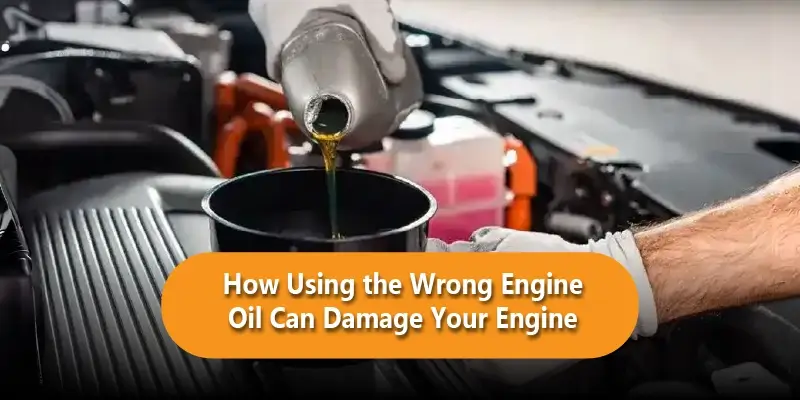

Using the correct engine oil is one of the most important aspects of maintaining your vehicle. While many drivers focus on changing their oil regularly, choosing the wrong type of oil can be just as harmful as neglecting an oil change altogether. From reduced lubrication to severe internal engine wear, wrong engine oil damage can lead to expensive repairs and even complete engine failure if left unchecked.

Modern engines are engineered with precise tolerances and require specific oil grades and formulations to perform efficiently. Whether it’s using the wrong viscosity, the incorrect synthetic blend, or an oil that doesn’t meet the vehicle specifications, even a seemingly small mistake can have long-term consequences.
Understanding how engine oil changes and why selecting the correct product matters can help drivers avoid costly repairs while extending engine life and maintaining peak performance.
Why Does Engine Oil Matter?
Engine oil performs several critical functions that keep your vehicle running efficiently.
It lubricates moving engine components, reduces friction, removes contaminants, regulates engine temperature, and protects internal parts from corrosion. Without the proper oil, these essential functions become compromised, increasing the risk of premature engine wear.
Functions of Engine Oil
- Lubricates moving engine components
- Reduces internal friction
- Helps cool engine parts
- Prevents sludge formation
- Protects against corrosion
- Improves fuel efficiency
Proper lubrication is the foundation of long-lasting engine performance.
What Happens If You Use the Wrong Engine Oil?
Many drivers assume that all engine oils are the same, but that’s far from the truth. Every manufacturer recommends a specific viscosity and oil specification for optimal engine performance.
Using the wrong oil can reduce lubrication efficiency, increase operating temperatures, and accelerate wear on vital engine components.
Common Consequences
- Poor engine lubrication
- Increased engine wear
- Reduced fuel economy
- Overheating
- Oil leaks
- Sludge buildup
- Reduced engine lifespan
These issues can gradually develop into major mechanical failures if not corrected promptly.
Common Engine Oil Mistakes
Choosing the wrong oil is one of the most common maintenance errors made by vehicle owners.
Engine Oil Mistakes
- Using the wrong viscosity grade
- Mixing different oil types unnecessarily
- Ignoring manufacturer recommendations
- Using low-quality oil
- Overfilling the engine
- Underfilling the engine
- Delaying oil changes
Avoiding these mistakes helps ensure reliable engine performance throughout your vehicle’s life.
Signs of Engine Damage from Wrong Oil
The symptoms may not appear immediately, but the wrong oil often causes noticeable performance issues over time.
Warning Signs
- Engine knocking noises
- Increased engine temperature
- Oil pressure warning light
- Poor acceleration
- Excessive exhaust smoke
- Rough engine operation
- Reduced fuel economy
If any of these symptoms appear shortly after an oil change, it’s important to inspect the oil specification immediately.
Symptom Overview
| Symptom | Possible Cause |
|---|---|
| Engine Knock | Insufficient lubrication |
| Overheating | Incorrect oil viscosity |
| Oil Warning Light | Improper oil flow |
| Rough Running | Increased engine friction |
Early diagnosis can prevent more serious engine damage.
How Wrong Oil Affects Different Engine Components?
Incorrect lubrication impacts nearly every moving part inside the engine.
Components at Risk
- Pistons
- Cylinder walls
- Crankshaft bearings
- Camshaft
- Timing components
- Turbocharger (if equipped)
Potential Damage
| Engine Component | Effect |
|---|---|
| Bearings | Premature wear |
| Pistons | Increased friction |
| Camshaft | Surface damage |
| Turbocharger | Reduced lubrication |
| Timing Chain | Accelerated wear |
Over time, these issues can significantly reduce engine reliability.
Choosing the Correct Engine Oil
Selecting the proper engine oil is easier when you follow the manufacturer’s recommendations.
Always check your owner’s manual for the required viscosity grade and performance specification.
Correct Engine Oil Selection
- Follow manufacturer recommendations
- Choose the recommended viscosity
- Use certified engine oil
- Consider climate conditions
- Select the proper synthetic or conventional oil
- Replace oil filter during every oil change
Using the recommended oil helps maximize engine performance and longevity.
Understanding Oil Viscosity
Viscosity determines how easily oil flows at different temperatures.
For example:
- 0W-20 offers excellent cold-start performance.
- 5W-30 provides balanced protection for many modern engines.
- 10W-40 may be suitable for certain older or high-temperature applications.
Using oil that is too thick or too thin can reduce lubrication effectiveness and increase wear.
Benefits of Using the Right Engine Oil
Proper oil selection provides numerous long-term benefits.
Benefits
- Improved engine protection
- Better fuel economy
- Reduced engine wear
- Longer engine life
- Cleaner engine internals
- Improved cold-start performance
- Lower maintenance costs
Correct lubrication keeps the engine operating at peak efficiency under all driving conditions.
Engine Protection Tips
Preventing engine damage starts with proper maintenance habits.
Maintenance Tips
- Change oil at recommended intervals
- Always replace the oil filter
- Check oil level regularly
- Use vehicle-approved oil
- Never mix incompatible oils
- Monitor warning lights
- Inspect for oil leaks
Consistent maintenance significantly reduces the risk of expensive repairs.
Frequently Asked Questions About Motor Oil
Many vehicle owners have questions about selecting and maintaining engine oil.
Common Questions
Can I mix synthetic and conventional oil?
While it is generally possible in an emergency, it’s best to use one oil type consistently and follow manufacturer recommendations.
Can the wrong oil permanently damage an engine?
Yes. Continued use of incorrect oil can lead to excessive wear, overheating, and eventually major engine failure.
How often should engine oil be changed?
Oil change intervals vary depending on the vehicle and oil type, but always follow the vehicle standard recommended maintenance schedule.
Motor Oil Guide for Different Driving Conditions
Different driving environments place varying demands on engine oil.
Recommended Considerations
| Driving Condition | Oil Recommendation |
|---|---|
| City Driving | Frequent oil inspections |
| Highway Driving | Follow standard service intervals |
| Hot Climate | Manufacturer-approved high-temperature oil |
| Cold Climate | Low-viscosity oil for cold starts |
| Heavy Towing | Premium synthetic oil when specified |
Selecting oil based on your driving conditions improves overall engine protection.
Key Takeaways
- Using the wrong engine oil damage can lead to serious mechanical problems.
- Choosing the correct viscosity is essential for proper lubrication.
- Following manufacturer recommendations prevents premature engine wear.
- Regular oil changes improve engine longevity.
- Proper car engine maintenance reduces repair costs.
- Understanding this motor oil guide helps drivers make better maintenance decisions.
FAQ
Can using the wrong engine oil damage my engine?
Yes. Using the wrong oil can reduce lubrication, increase engine wear, cause overheating, and eventually lead to serious engine damage.
What are the most common engine oil mistakes?
Using the wrong viscosity, ignoring manufacturer specifications, mixing incompatible oils, overfilling, and delaying oil changes are among the most common mistakes.
How do I know which engine oil is correct for my car?
Always refer to your vehicle owner’s manual for the recommended viscosity grade and oil specification approved by the manufacturer.
What are the signs of engine damage from wrong oil?
Common signs include engine knocking, overheating, poor fuel economy, oil pressure warnings, rough running, and excessive exhaust smoke.
Does using the correct engine oil improve fuel efficiency?
Yes. The proper oil reduces internal friction, allowing the engine to operate more efficiently and improving fuel economy.
Final Verdict
Using the correct engine oil is one of the simplest yet most effective ways to protect your vehicle’s engine. While many drivers focus only on changing their oil regularly, selecting the proper viscosity and vehicle-approved specification is equally important. Using the wrong oil can result in reduced lubrication, overheating, increased friction, sludge buildup, and costly repairs that could have been avoided.
By understanding engine oil mistakes, following the correct engine oil selection, and practicing regular car engine maintenance, drivers can maximize engine performance, improve fuel efficiency, and extend the lifespan of their vehicles. A few extra minutes spent choosing the right motor oil today can save thousands in repair costs tomorrow.
Stay Connected with Miss Auto UAE
Passionate about keeping your vehicle running at its best?
Miss Auto UAE delivers expert automotive maintenance guides, engine care tips, product recommendations, buying advice, and the latest industry updates to help drivers maximize performance and reliability.
From engine oils and filters to detailing products, smart car accessories, maintenance schedules, and practical ownership tips, we provide trusted information designed for every type of driver. Whether you own a daily commuter, luxury vehicle, SUV, or performance car, our expert content helps you make informed automotive decisions.
Stay updated with the latest maintenance guides, product comparisons, automotive technologies, and expert advice shaping the UAE automotive industry.
Guest Blog Submission Invitation
Are you an automotive technician, mechanic, industry expert, or passionate car enthusiast with valuable insights to share?
Join the Miss Auto UAE contributor community and reach thousands of automotive readers across the UAE.
We welcome original articles covering engine maintenance, vehicle servicing, car care, automotive technology, detailing, accessories, electric vehicles, driving tips, repair guides, and emerging automotive trends.
Share your expertise while helping drivers make smarter maintenance decisions and enjoy safer, longer-lasting vehicles.


